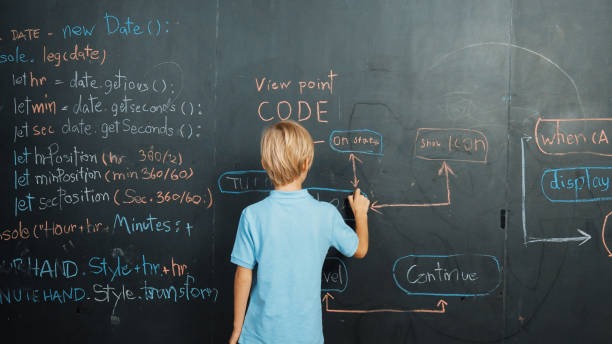
In a world increasingly dominated by screens and static learning environments, the concept of activity-based learning is like a fresh breath of air.
It invites curiosity and engagement, encouraging learners to step away from traditional methods and immerse themselves in experiences that foster understanding and retention.
This approach is not merely about moving from one task to another; it’s about embracing a holistic way of learning that connects knowledge with real-world application.
The essence of activity-based learning lies in its ability to transform how we engage with information. Rather than passively receiving knowledge, learners become active participants in the educational process. This method often includes hands-on activities, group discussions, problem-solving tasks, and even role-playing scenarios. Through these experiences, learners can explore concepts in a dynamic way, allowing their curiosity to lead the way.
One of the most notable benefits of this approach is the enhancement of critical thinking skills. When learners are faced with real-life challenges or projects, they must analyze situations, weigh options, and make decisions based on their findings. This process not only deepens understanding but also helps individuals develop the ability to think on their feet—a skill that is invaluable in both personal and professional settings.
Engagement is another significant advantage of activity-based learning. Traditional learning methods can sometimes feel monotonous, leading to disengagement. In contrast, when learners are involved in activities that require their input and creativity, they are more likely to stay interested and invested in the material. This heightened engagement often translates to a better grasp of the subject matter and improved retention of information.
A small shift toward balance is often all it takes to enhance the learning experience. When we incorporate movement and activity into education, we can tap into the natural energy of learners. Whether it’s through a science experiment, a group project, or a creative arts session, these activities can break the cycle of sitting still and memorizing facts. Instead, learners become energized participants, fostering a positive attitude towards learning.
Social interaction is another cornerstone of activity-based learning. Working collaboratively with peers can create a supportive environment where ideas are exchanged freely. This interaction not only builds communication skills but also encourages empathy and understanding. Learners get the chance to see things from different perspectives, enhancing their ability to work effectively with others—an essential skill in today’s interconnected world.
Incorporating activity-based learning into various educational settings can also cater to different learning styles. Some individuals thrive in environments where they can physically engage with the material, while others may prefer visual or auditory methods. By offering diverse activities that appeal to various preferences, educators can create inclusive spaces where all learners feel valued and understood.
The beauty of this approach is that it isn’t limited to formal educational settings. Activity-based learning can be seamlessly integrated into everyday life, making it a versatile tool for lifelong learning. Whether it’s cooking a new recipe to understand measurements and chemistry or embarking on a nature walk to explore biology, the opportunities are endless. Everyday activities can become rich learning experiences that foster curiosity and discovery.
The emotional aspect of learning also plays a vital role in activity-based environments. When learners are engaged in meaningful activities, they often experience a sense of joy and accomplishment. This positive emotional connection to learning can significantly impact motivation. When individuals feel good about what they are learning, they are more likely to pursue knowledge and skills beyond the classroom or structured learning environment.
As we navigate the complexities of modern life, the need for practical skills becomes increasingly apparent. Activity-based learning equips individuals with the tools to tackle real-world challenges. Whether it’s through developing teamwork in a group project or honing problem-solving skills during a hands-on task, this approach prepares learners for the dynamics of life beyond textbooks.
Incorporating activity-based learning into our lives can also encourage a sense of community. Participating in group activities fosters relationships and builds networks of support. These connections can be invaluable, both personally and professionally, as they encourage collaboration and shared learning experiences.
The journey of discovering the benefits of activity-based learning is not solely confined to the classroom. It extends into our daily routines, providing opportunities for growth and exploration. By embracing this approach, we can cultivate a mindset of curiosity and resilience, essential traits for navigating an ever-changing world.
Ultimately, activity-based learning is about more than just acquiring knowledge; it’s about fostering a love for learning itself. It encourages us to be explorers, to ask questions, and to seek answers through experience. This dynamic approach can lead to a deeper understanding of ourselves and the world around us, transforming the way we learn and grow.
As we reflect on the power of activity-based learning, it becomes clear that this method is not just a trend but a fundamental shift in how we perceive education. It invites us to step out of our comfort zones, embrace new experiences, and engage with the world in meaningful ways. Whether you’re a student, a parent, or simply someone passionate about lifelong learning, exploring this approach can open doors to a richer, more fulfilling educational journey. So why not take that first step? Discover the joy of learning through activity, and watch as it transforms not only your understanding but your entire outlook on education.