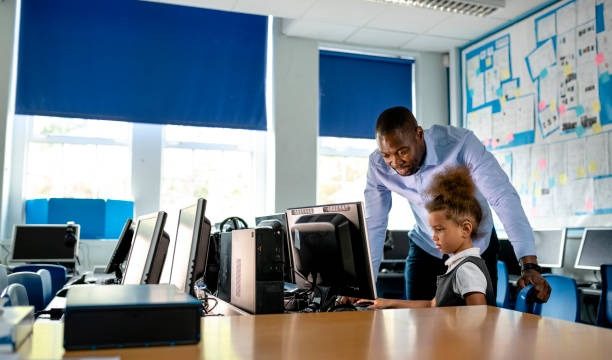
In today’s fast-paced world, the classroom can often feel like a whirlwind of activities, deadlines, and expectations.
For both teachers and students, establishing a routine that fosters learning and engagement is essential.
One innovative tool that has emerged in recent years is the use of digital worksheets. These resources not only support classroom routines but also bring a fresh perspective to learning, making it a little easier to navigate the busy school day.
Creating a sense of structure is fundamental in any learning environment. Routines help students understand what to expect, while also providing a sense of security. Digital worksheets can play a significant role in reinforcing these routines. They offer a flexible, interactive way for students to engage with the material, whether it’s through practice exercises, collaborative projects, or self-assessment activities.
A gentle introduction to digital worksheets can transform the way students approach their learning. For instance, teachers can use them to establish daily check-ins. These worksheets might include questions that allow students to reflect on their previous day’s learning or set intentions for the day ahead. This practice not only encourages students to take ownership of their learning but also helps them develop mindfulness and self-regulation skills. When students feel more in control of their learning journey, they often become more engaged and motivated.
One of the most appealing aspects of digital worksheets is their versatility. Teachers can tailor them to suit various subjects and grade levels, making it easy to incorporate them into existing routines. For example, a math teacher might create a worksheet that allows students to practice problem-solving skills in a fun, interactive way. By integrating technology, students can receive instant feedback, which helps them identify areas for improvement. This immediate response can be incredibly motivating, encouraging students to persevere through challenges.
As we consider classroom dynamics, it’s essential to recognize the role of collaboration. Digital worksheets can facilitate group activities that promote teamwork and communication skills. Imagine a science class where students work together to complete a worksheet that guides them through an experiment. They can share their findings and insights with one another, fostering a sense of community and shared purpose. Such collaborative experiences can deepen understanding and make learning more enjoyable.
In addition to enhancing collaboration, digital worksheets can also provide opportunities for differentiation. Every student learns at their own pace, and digital resources can be adjusted to meet individual needs. Teachers can create multiple versions of a worksheet, offering varying levels of difficulty. This means that students who need a little extra support can work on foundational skills, while those who are ready for a challenge can tackle more complex tasks. By personalizing learning in this way, educators can help every student feel successful and engaged.
A small shift toward balance is often necessary in the classroom, especially when it comes to technology. While digital worksheets can be incredibly beneficial, it’s important to remember that they should complement, not replace, traditional learning methods. A blended approach that combines hands-on activities with digital resources can create a rich learning environment. For example, after completing a digital worksheet on historical events, students might engage in a role-playing activity that brings those events to life. This blend of digital and experiential learning can deepen understanding and make lessons more memorable.
As we embrace the potential of digital worksheets, it’s also vital to consider the importance of reflection. Incorporating reflection into classroom routines can help students process their learning experiences. After completing a worksheet, teachers might encourage students to take a few moments to jot down their thoughts or share with a partner what they learned. This practice not only reinforces the material but also promotes critical thinking and self-awareness.
Creating a supportive environment where students feel comfortable sharing their thoughts is crucial. Establishing routines around reflection can help students feel empowered to express themselves. As they develop their voices, they also become more invested in their learning. This sense of ownership can lead to greater academic success and personal growth.
Incorporating digital worksheets into classroom routines also opens the door to creative expression. Students can engage with content in unique ways, such as designing their own worksheets or using creative tools to present their findings. This not only enhances their understanding but also allows them to explore their interests and talents. When students have the freedom to express themselves, they are more likely to feel connected to their learning.
As we look toward the future of education, it’s clear that digital worksheets will continue to play a significant role in shaping classroom experiences. They offer a way to streamline routines, foster collaboration, and support individualized learning. By embracing these tools, educators can create an environment that encourages exploration, creativity, and growth.
Ultimately, the goal of any classroom routine is to nurture a love of learning. Digital worksheets can be a valuable resource in this journey, providing students with the tools they need to thrive. As teachers thoughtfully integrate these resources into their daily practices, they can help students cultivate a positive relationship with learning that lasts a lifetime.
In this ever-evolving educational landscape, the blend of technology and traditional teaching methods can create a harmonious balance. With the right approach, digital worksheets can transform the classroom into a space where students feel engaged, supported, and inspired. In this way, we can pave the way for future generations to embrace learning as a lifelong adventure.