As the school year winds down, the time for review sessions often approaches, and with it, the challenge of keeping students engaged.
Review time doesn’t have to feel like a chore; in fact, it can be an opportunity to create joyful learning experiences.
By incorporating interactive and enjoyable activities into review sessions, educators can foster a positive atmosphere that encourages participation and retention. Here are some ideas that can transform the traditional review into something vibrant and fun.
Fostering Curiosity Through Games
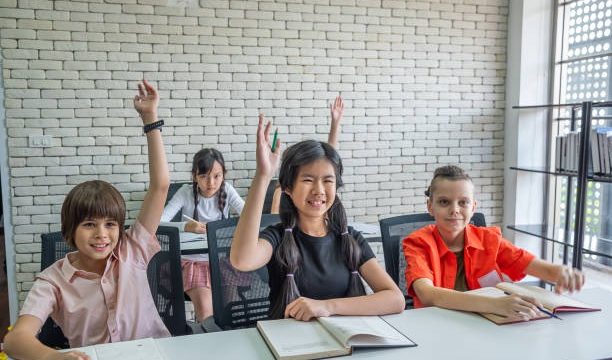
One of the most effective ways to make review time enjoyable is by integrating games into the learning process. Games create a sense of excitement and competition, making students eager to participate. For instance, a quiz game can be adapted to fit any subject, allowing students to answer questions in teams. This not only helps reinforce the material but also encourages collaboration among peers.
Consider a classroom setup where students can earn points for correct answers, but with a twist—allow them to create their own questions for their classmates. This approach not only deepens their understanding of the material but also fosters creativity and critical thinking. The laughter and camaraderie that stem from friendly competition can transform a mundane review into a memorable experience.
Crafting a Collaborative Environment
Another way to enhance the review process is by promoting collaboration. Group activities, such as creating posters or presentations on key concepts, can engage students in a meaningful way. When students work together, they share ideas and insights, which can lead to a deeper understanding of the subject matter.
Encouraging students to teach each other is another powerful technique. In this peer-teaching model, students take turns explaining concepts to their classmates. This not only reinforces their own learning but also builds confidence in their communication skills. Watching their peers explain a concept in their own words can often lead to “aha” moments that stick with them long after the review session has ended.
Inviting Creativity into the Classroom
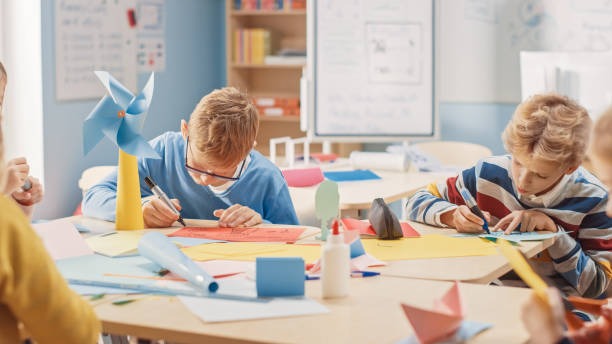
Incorporating creative activities can also breathe new life into review time. Students often thrive when given the opportunity to express themselves artistically. Consider having them create a skit or a short video that illustrates the material being reviewed. This not only makes learning fun but also allows students to explore different perspectives and interpretations.
Art projects can be equally effective. For example, students could design infographics or visual summaries of the topics they have studied. By combining art with academics, students can engage with the material in a way that resonates with them personally. These creative outlets can lead to deeper connections with the subject matter and enhance retention.
A small shift toward balance
While games and creative activities are essential, it’s also important to incorporate a sense of balance during review time. This can be achieved through mindful practices that encourage focus and reflection. For instance, starting a review session with a few moments of quiet reflection or guided breathing exercises can help students center themselves and prepare for the learning ahead.
Incorporating mindfulness not only aids in concentration but also promotes a positive emotional state. When students feel calm and centered, they are more likely to engage fully in the activities at hand. This simple practice can create a supportive environment that enhances learning and encourages open dialogue.
Connecting Learning to Real Life
Making connections between academic content and real-life situations can significantly enhance the review experience. Encourage students to think about how the material they are reviewing applies to their everyday lives. This can be done through discussions, where students share personal experiences related to the topics being studied.
For instance, if the review focuses on a historical event, students could discuss its impact on their community today. By relating lessons to real-world scenarios, students can better appreciate the relevance of their education. This connection not only makes the review more engaging but also instills a sense of purpose in their learning journey.
Creating a Comfortable Atmosphere
Finally, the physical environment of the classroom plays a crucial role in making review time enjoyable. Consider rearranging the seating to encourage collaboration and interaction. A circle or small group setup can create a sense of community, making students feel more comfortable sharing their thoughts and ideas.
Adding elements like soft music or comfortable seating can also contribute to a relaxed atmosphere. When students feel at ease, they are more likely to participate actively and openly. Creating a space that feels inviting and supportive is essential in fostering a positive review experience.
Embracing the Joy of Learning
At the heart of these activities is the desire to cultivate a love for learning. Review time should not merely be a ritual to prepare for exams; it should be an opportunity for students to reflect on their growth and celebrate their achievements. By incorporating fun, creativity, and collaboration into review sessions, educators can help students see the joy in learning.
As the school year comes to a close, let’s embrace the chance to make review time a celebration of knowledge. Through games, creative projects, and meaningful discussions, students can engage with the material in a way that resonates with them. Ultimately, the goal is to create a lasting passion for learning that extends beyond the classroom and into their future endeavors. By transforming review time into an enjoyable experience, we can inspire a generation of lifelong learners who approach education with enthusiasm and curiosity.