In our fast-paced world, memory skills are more essential than ever, especially for students navigating the complexities of academic life.
Strengthening these skills can lead to improved learning outcomes and a more enriching classroom experience.
Fortunately, there are a variety of engaging classroom activities designed to enhance memory retention in fun and interactive ways.
Creating a memory-friendly environment begins with understanding how memory works. Memory isn’t just about rote memorization; it involves connecting new information to existing knowledge, making it easier to recall later. This connection can be fostered through various activities that stimulate both the mind and the senses.
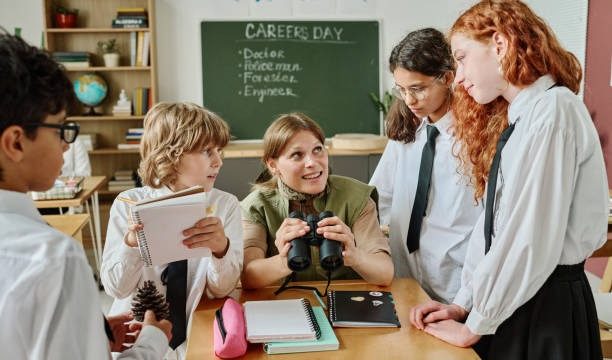
A gentle introduction to memory-enhancing activities can be as simple as incorporating storytelling into lessons. Storytelling is a natural way to engage students while allowing them to connect emotionally with the material. When students hear a story related to a subject, they are more likely to remember the facts and concepts discussed. Teachers can encourage students to share their own stories or create group narratives based on key themes in the curriculum. This not only helps with memory but also builds a sense of community in the classroom.
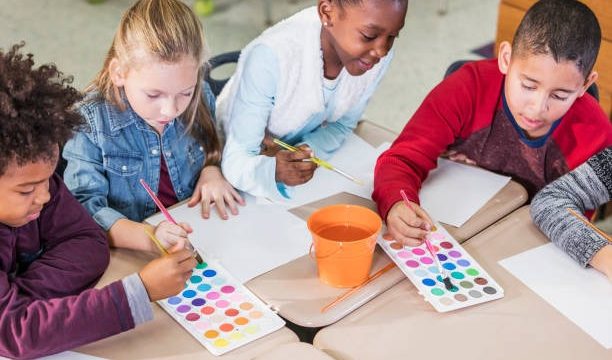
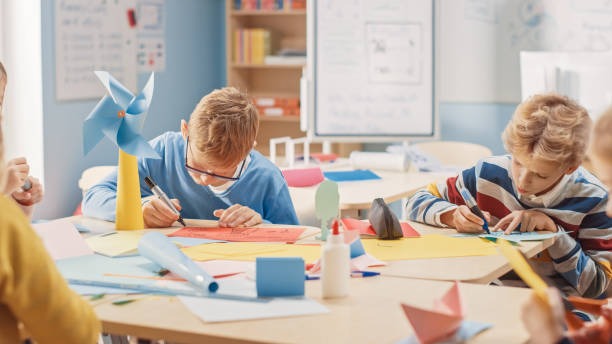
Another effective activity involves the use of visual aids. Humans are inherently visual creatures, and incorporating images, diagrams, and videos into lessons can significantly enhance understanding and recall. For instance, when teaching historical events, showing images or short documentaries can help students visualize the context, making it easier for them to remember the details. Teachers can also encourage students to create their own visual representations of what they’ve learned, such as mind maps or infographics, which can serve as valuable study aids later on.
Games also play a crucial role in enhancing memory skills. Incorporating educational games that require students to recall information can turn learning into a delightful experience. For example, memory card games where students match terms with definitions can reinforce vocabulary and concepts in a playful manner. These activities not only make learning enjoyable but also promote healthy competition and camaraderie among peers.
In addition to games, movement can be an effective tool for memory enhancement. Activities that involve physical movement can help stimulate brain function. For example, teachers can create a scavenger hunt related to the lesson content, where students must find items or answers hidden around the classroom or school. This combination of physical activity and cognitive challenge can lead to better retention of information.
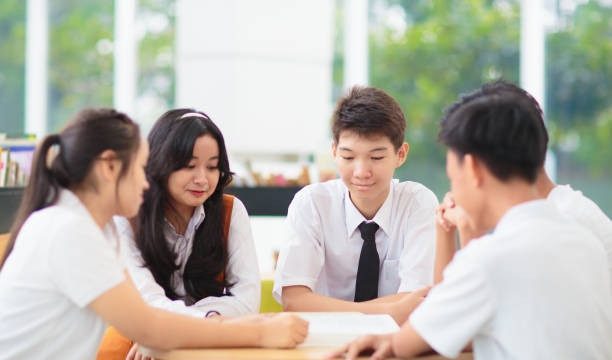
Encouraging group discussions is another excellent way to bolster memory skills. When students talk about what they’ve learned, they are actively engaging with the material, which aids in retention. Teachers can facilitate small group discussions where students share insights and ask questions about the topic at hand. This not only reinforces memory but also develops critical thinking and communication skills, which are invaluable in today’s world.
Incorporating technology can also enhance memory skills in the classroom. Various educational apps and online resources are available that promote interactive learning. For instance, quiz-based platforms can help students test their knowledge in a fun way, while digital flashcards can aid in memorization. These tools can provide immediate feedback, which is essential for effective learning. However, it is crucial to balance screen time with traditional learning methods to ensure a well-rounded approach.
A small shift toward balance can also be achieved through mindfulness practices. Introducing short mindfulness exercises or breathing techniques can help students improve focus and concentration, which are key components of memory. Taking a few moments to center themselves before a lesson can create a calm learning environment, making it easier for students to absorb and retain information.
Encouraging students to relate new information to their own lives can also be a powerful memory aid. When they see how a lesson connects to their interests or experiences, they are more likely to remember it. Teachers can facilitate this by prompting students to share personal anecdotes or opinions related to the topic being discussed. This not only enhances memory but also makes learning more relevant and engaging.
Reflection is another vital component of memory retention. Setting aside time for students to reflect on what they’ve learned can help solidify that information in their minds. Teachers can encourage students to keep journals where they write about their learning experiences, thoughts, and feelings. This practice not only aids memory but also fosters emotional intelligence and self-awareness.
Creating a supportive classroom atmosphere is essential for enhancing memory skills. When students feel safe and valued, they are more likely to take risks in their learning. Encouraging a culture of praise and constructive feedback can help students build confidence in their abilities, making them more willing to engage in activities that strengthen their memory.
Ultimately, the goal of these activities is to create a rich and dynamic learning environment where students feel empowered to explore and connect with the material. By incorporating a variety of engaging strategies, teachers can help students strengthen their memory skills while making learning a joyful and fulfilling experience.
As we embrace these memory-enhancing activities, we not only equip students with essential skills for academic success but also cultivate a love for learning that can last a lifetime. In this journey of exploration and growth, every small step contributes to a larger tapestry of knowledge, making the classroom a vibrant space of discovery and connection.