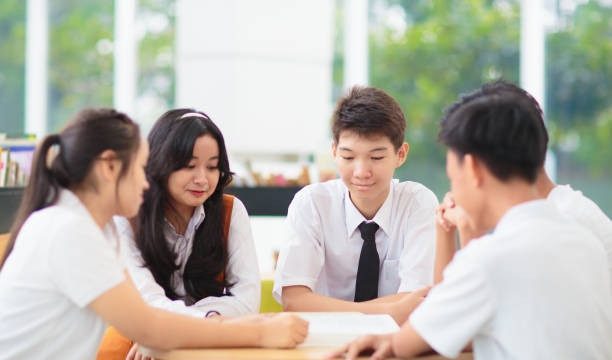
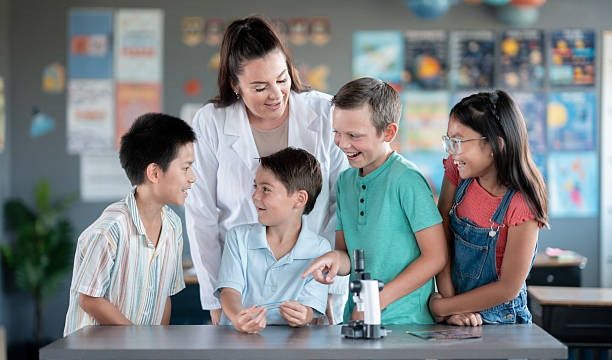
Creating a classroom environment that fosters collaboration among students is essential for their social and academic growth.
When students work together, they learn valuable skills such as communication, empathy, and problem-solving.
These skills not only enhance their learning experience but also prepare them for future endeavors in an increasingly interconnected world. Here are some engaging activities designed to encourage teamwork and cooperation among students.
A gentle introduction to collaboration
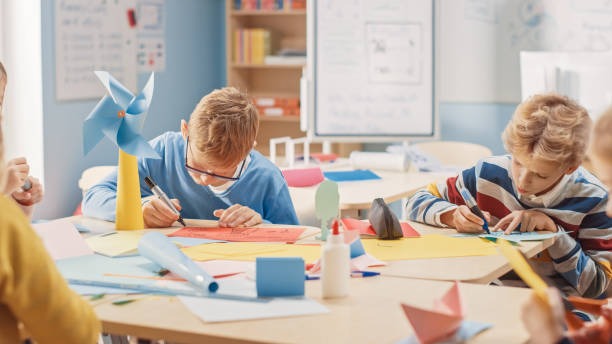
One of the simplest yet most effective ways to encourage teamwork is through group projects. These can take many forms, from science experiments to creative presentations. By assigning students to work in small groups, educators can create opportunities for them to share ideas, delegate tasks, and support one another. The key here is to provide a clear structure that allows each student to contribute meaningfully while also fostering a sense of accountability.
When students collaborate on projects, they often discover that different perspectives can lead to richer outcomes. This realization is a powerful one, as it nurtures respect for diversity and enhances critical thinking skills. Teachers can facilitate this process by encouraging students to discuss their individual strengths and preferences, allowing them to assign roles that best suit their skills.
The art of storytelling
Storytelling is a timeless activity that can be used to build connections among students. Whether through creative writing, oral presentations, or even digital storytelling, this activity invites students to share their experiences and perspectives. A storytelling session can be organized where each student contributes a part of a collective narrative. This not only fosters teamwork but also ignites creativity and imagination.
As students weave their stories together, they learn to listen actively and appreciate each other’s contributions. This shared experience can create a sense of belonging, making students feel valued and understood within the classroom community. Furthermore, storytelling can be linked to various subjects, from history to science, making it a versatile tool for interdisciplinary learning.
Exploring the world through games
Games have an innate ability to bring people together, and when used in the classroom, they can be a powerful means of fostering collaboration. Cooperative games, in particular, require students to work together towards a common goal, rather than competing against one another. These games can range from simple icebreakers to more complex challenges that require strategic thinking and teamwork.
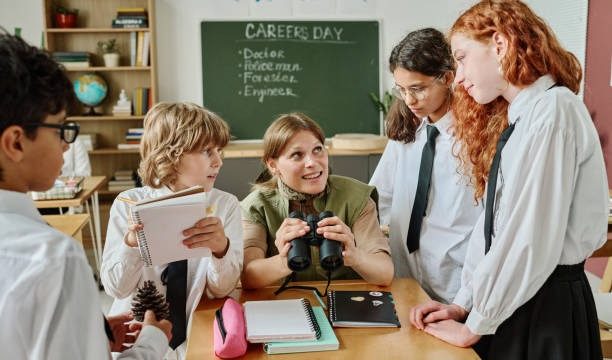
For instance, a scavenger hunt can be designed where students must work in teams to find specific items or solve riddles. This encourages communication and collaboration, as students must share information and plan their approach together. The thrill of working towards a shared objective not only enhances their problem-solving skills but also strengthens their bonds with one another.
A small shift toward balance
Incorporating group discussions into the classroom routine can also encourage collaboration. By creating a safe space for students to express their thoughts and opinions, teachers can foster an environment where every voice is heard. This can be particularly effective when discussing complex topics, as students can learn from each other’s perspectives and challenge their own viewpoints in a respectful manner.
To facilitate these discussions, teachers might consider using open-ended questions that invite deeper thinking. Encouraging students to build on each other’s ideas can lead to richer conversations and a sense of collective inquiry. This not only helps students develop their critical thinking skills but also cultivates a sense of community within the classroom.
Connecting through art
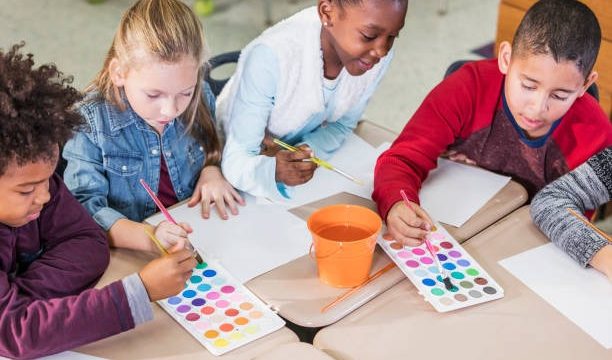
Art projects can serve as an excellent medium for collaboration. Whether through painting, sculpting, or crafting, artistic activities allow students to express themselves while working together. Collaborative art projects, such as mural painting or group sculptures, can be particularly impactful, as they require students to communicate their ideas and compromise on creative decisions.
Art fosters a sense of pride and ownership among students, as they can see their collective efforts come to life. Moreover, the process of creating something together can deepen relationships and create lasting memories. Teachers can encourage reflection during these projects, prompting students to discuss what they learned about teamwork and collaboration throughout the creative process.
Nurturing empathy and understanding
Role-playing activities can also provide valuable lessons in collaboration. By stepping into each other’s shoes, students can gain insights into different perspectives and experiences. This not only fosters empathy but also encourages teamwork as students must work together to navigate scenarios and solve problems.
For instance, students can engage in role-playing exercises based on historical events or literary works, allowing them to explore complex themes while collaborating on their interpretations. This type of activity encourages students to communicate and negotiate, skills that are essential for successful teamwork.
The gift of reflection
Lastly, incorporating reflection into collaborative activities can enhance the learning experience. After completing a group project or activity, students can be encouraged to share their thoughts on what worked well and what could be improved. This reflective practice not only helps them internalize the lessons learned but also nurtures a growth mindset.
Teachers can facilitate this process by creating a safe space for students to express their feelings and thoughts about their experiences. By reflecting on their collaboration, students can develop a deeper understanding of their roles within a team and how to support one another effectively in the future.
In conclusion, creating a collaborative classroom environment is an enriching endeavor that benefits students in numerous ways. Through thoughtfully designed activities, educators can encourage teamwork and cooperation, helping students develop essential life skills. As students work together, they not only enhance their academic performance but also build meaningful relationships that will serve them well beyond the classroom walls. Embracing collaboration is, ultimately, an investment in their future, nurturing not only their intellect but also their hearts.