In the world of education, the quest for effective teaching methods is ever-evolving.
Traditional lectures often leave students feeling disengaged, leading educators to seek fresh, interactive approaches that can breathe life into the learning experience.
Interactive classroom activities have proven to be a powerful tool, transforming the way students absorb information and encouraging a deeper connection with the material.
Creating a dynamic learning environment is not just about making lessons more enjoyable; it also fosters critical thinking, collaboration, and creativity. As we explore various activities that can enhance classroom engagement, it’s important to remember that the goal is to cultivate a love for learning that extends beyond the walls of the classroom.
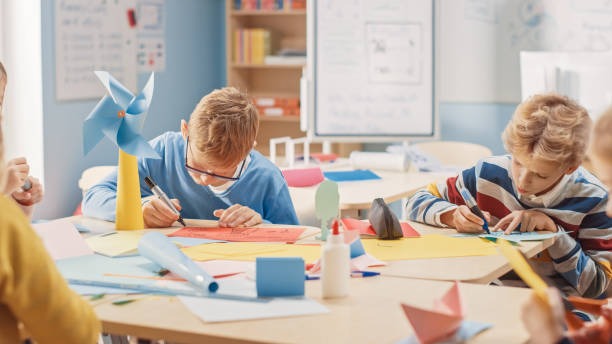
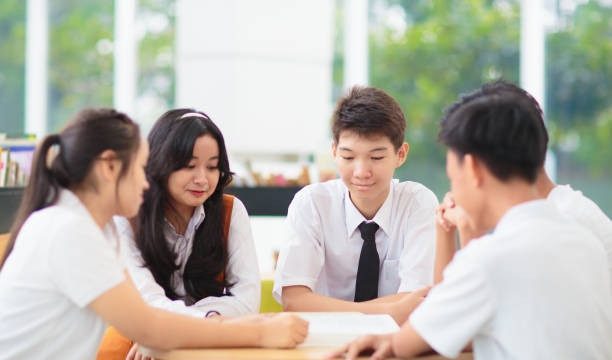
One delightful way to encourage interaction is through group projects. When students work collaboratively, they share ideas, debate concepts, and ultimately develop a sense of community. This collaborative spirit not only nurtures social skills but also allows students to learn from one another. Each group member brings unique perspectives and strengths, enriching the project and the overall learning experience. By assigning roles within the group, such as a researcher, presenter, or note-taker, students can take ownership of their contributions, making the project even more meaningful.
Incorporating technology into the classroom can also create a more interactive environment. Tools like interactive whiteboards, educational apps, and online discussion forums provide students with opportunities to engage with the content in innovative ways. For instance, using an interactive whiteboard during a lesson allows students to participate directly, whether by solving problems or contributing to discussions. This blend of technology and hands-on learning can ignite curiosity and enthusiasm, making lessons feel more relevant to students’ lives.
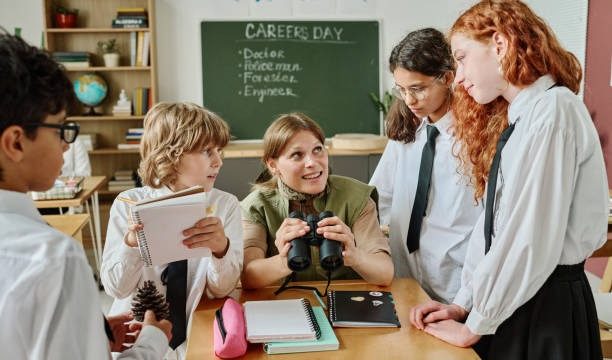
Another engaging activity is role-playing. By stepping into the shoes of historical figures, scientists, or even characters from literature, students can develop empathy and a deeper understanding of different perspectives. Role-playing encourages students to think critically and creatively, as they must consider the motivations and emotions of the characters they portray. This immersive approach transforms abstract concepts into tangible experiences, making learning both memorable and impactful.
In addition to role-playing, incorporating games into the learning process can elevate the excitement in the classroom. Educational games, whether they are physical activities or digital formats, can turn challenging topics into enjoyable challenges. Games can range from trivia competitions that reinforce knowledge to problem-solving activities that require teamwork. The competitive yet friendly atmosphere created by games can motivate students to engage more fully with the material, as they strive to achieve success together.
Field trips, although sometimes challenging to organize, can provide a refreshing break from the routine of classroom learning. Visiting museums, science centers, or historical sites allows students to connect classroom lessons with real-world experiences. These outings not only stimulate curiosity but also encourage students to ask questions and explore their surroundings. The excitement of learning in a new environment can inspire students to delve deeper into subjects that pique their interest.
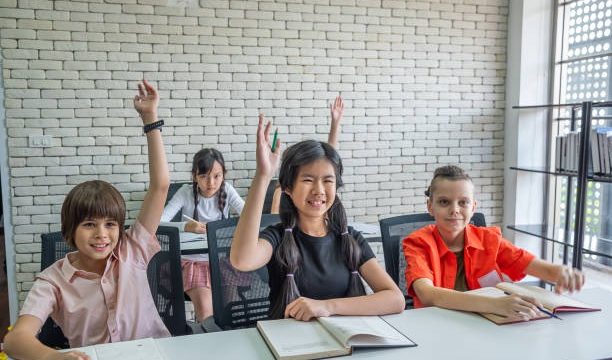
Creating a classroom culture that encourages discussion and dialogue is another vital aspect of making learning interactive. Open-ended questions can prompt students to think critically and share their insights. By fostering a safe environment where every opinion is valued, educators can encourage students to express themselves freely. This exchange of ideas not only enhances understanding but also builds confidence, empowering students to articulate their thoughts and engage with their peers.
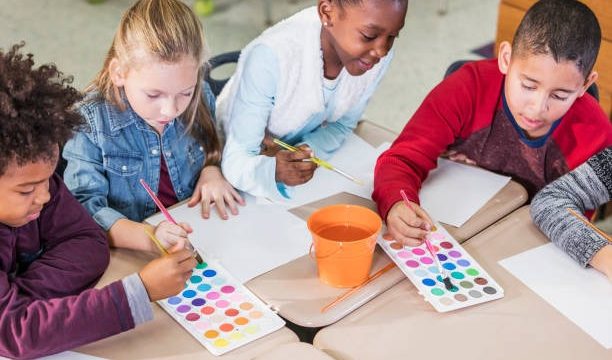
Incorporating creative arts into lessons can also provide a refreshing twist. Whether through drawing, painting, or performing, the arts allow students to express their understanding of a topic in a unique way. For instance, after studying a particular theme in literature, students might create visual art that encapsulates their interpretation. This method not only reinforces their comprehension but also nurtures creativity, allowing students to explore their artistic talents while connecting with the subject matter.
A small shift toward balance is often needed in how we assess student understanding. Traditional testing can create anxiety and discourage participation, while alternative assessment methods can promote a more relaxed atmosphere. Projects, presentations, and peer assessments can provide a more holistic view of student learning. By focusing on the process rather than just the final product, educators can encourage students to take risks and embrace the learning journey.
Moreover, incorporating mindfulness activities can enhance classroom interactions. Simple practices like breathing exercises or brief moments of reflection can help students feel grounded and present. When students are calm and focused, they are more likely to engage with the material and their peers. Mindfulness can foster a positive classroom environment, encouraging collaboration and open communication.
As we look at these various activities, it’s clear that the heart of interactive learning lies in the relationships built within the classroom. When students feel connected to their peers and teachers, they are more likely to take risks, ask questions, and explore new ideas. Creating a supportive community where everyone feels valued is essential for fostering an environment where learning thrives.
In conclusion, the journey toward more interactive classroom activities is a rewarding one, filled with opportunities for creativity, collaboration, and connection. By embracing diverse approaches—from group projects and technology integration to role-playing and the arts—educators can transform the learning experience. As we encourage students to actively participate in their education, we cultivate not only knowledge but also a lifelong love for learning. In this way, the classroom becomes a vibrant space where curiosity flourishes and students are empowered to explore the world around them.