Creating an engaging classroom environment is essential for fostering a love of learning.
Interactive activities can breathe life into lessons, making students eager to participate and explore new concepts.
When students look forward to coming to class, the learning experience transforms into something vibrant and exciting. Let’s delve into some interactive classroom activities that inspire enthusiasm and engagement among students.
A gentle introduction to collaboration
One of the most effective ways to engage students is through collaborative activities. Group projects, for instance, encourage teamwork and communication, allowing students to learn from one another while developing essential social skills. When students collaborate, they become active participants in their education, sharing ideas and perspectives that enrich the learning experience.
Consider organizing a project where students can explore a topic of interest together. This could be anything from creating a presentation about a historical event to developing a science experiment. The key is to allow them the freedom to express their creativity and work together toward a common goal. This not only fosters camaraderie but also instills a sense of responsibility and accountability in each student.
The power of hands-on learning
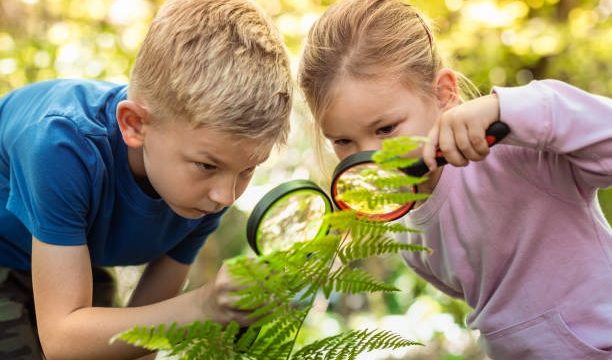
Another way to invigorate the classroom is through hands-on activities. These experiences allow students to engage with the material in a tangible way, making concepts more relatable and memorable. For example, a science class could benefit from simple experiments that illustrate fundamental principles. Whether it’s growing plants to learn about ecosystems or conducting chemical reactions, hands-on learning can ignite curiosity and make abstract ideas concrete.
Arts and crafts can also play a significant role in hands-on learning. Students can create visual representations of their understanding, whether through drawing, painting, or building models. This not only reinforces their learning but also provides an outlet for creativity, enabling them to express their understanding in a way that resonates with them personally.
The joy of gamification
Incorporating game elements into lessons can transform the traditional learning experience into a captivating adventure. Gamification taps into students’ natural love for play, making learning feel less like a chore and more like a delightful challenge. Simple quizzes can be turned into friendly competitions, where students earn points or rewards for their participation and achievements.
Consider using educational games that align with your curriculum. These can range from trivia contests to interactive simulations that allow students to immerse themselves in different scenarios. The thrill of competition, coupled with the joy of learning, can create a dynamic classroom atmosphere where students are eager to engage and excel.
A small shift toward balance
In addition to collaborative and hands-on activities, incorporating mindfulness practices can create a positive learning environment. Simple techniques such as guided breathing exercises or short meditation sessions can help students center themselves and focus. This is especially beneficial at the beginning of a class, setting a calm tone that prepares students for learning.
Mindfulness activities can also be woven into the curriculum. For example, after a particularly intense discussion or activity, taking a moment to reflect can help students process their thoughts and feelings. This practice not only enhances emotional well-being but also fosters a deeper connection to the material being studied.
Exploring the outdoors
Outdoor learning activities can be a refreshing change from the traditional classroom setting. Taking students outside for lessons can spark their curiosity and engagement. Nature walks can be an excellent way to explore science concepts, such as biology or ecology. Observing plants and animals in their natural habitat brings textbook knowledge to life, allowing students to make real-world connections.
Outdoor activities don’t have to be limited to science. Literature classes can take on new dimensions when students read poetry or stories in a park setting, surrounded by the beauty of nature. The change of scenery often leads to inspired discussions and a deeper appreciation for the material.
Fostering creativity with technology
In today’s digital age, integrating technology into the classroom can enhance interactive learning experiences. Students often enjoy using devices for educational purposes, whether it’s creating multimedia presentations, engaging in virtual field trips, or collaborating on shared documents. Technology can make lessons more interactive and appealing, catering to various learning styles.
Encourage students to explore educational apps or platforms that align with their interests. This not only empowers them to take charge of their learning but also introduces them to valuable skills that are increasingly relevant in our tech-driven world. When students can see the connection between technology and their education, they are more likely to engage enthusiastically.
Nurturing a sense of community
Finally, creating a classroom culture that emphasizes respect, inclusivity, and support can significantly impact student engagement. When students feel valued and understood, they are more likely to participate actively in class discussions and activities. Consider incorporating regular check-ins or sharing circles, where students can express their thoughts and feelings in a safe environment.
Building a sense of community also involves celebrating achievements, both big and small. Recognizing individual and group accomplishments fosters a sense of belonging and motivates students to contribute to the classroom dynamic. This supportive atmosphere can lead to increased enthusiasm for learning, as students feel empowered to take risks and express themselves.
In conclusion, interactive classroom activities can transform the educational experience from mundane to magical. By fostering collaboration, hands-on learning, gamification, mindfulness, outdoor exploration, technological integration, and a sense of community, educators can create an environment where students look forward to learning every day. Embracing these approaches not only enhances academic achievement but also nurtures a lifelong love of learning. As students become active participants in their education, they are more likely to carry that enthusiasm beyond the classroom, shaping their futures in remarkable ways.