In today’s fast-paced world, finding ways for children to learn while having fun can feel like a daunting task.
Yet, the truth is that learning games can be a delightful bridge between education and play, fostering not only knowledge but also essential life skills.
When children engage in activities that promote learning through play, they often thrive in ways that traditional methods may not achieve.
A gentle approach to learning
Learning games encompass a wide range of activities, from board games and card games to interactive digital experiences. Each of these offers a unique opportunity for children to explore concepts, think critically, and engage with their peers. When children play, they are not just having fun; they are also developing social skills, emotional intelligence, and cognitive abilities. The beauty of learning games is that they create a safe space where mistakes are part of the process, allowing kids to experiment and discover without the fear of failure.
For instance, consider a simple board game that involves counting and strategy. As children take turns, they learn to wait, share, and respect others’ decisions. These moments of interaction are invaluable, teaching them cooperation and patience. Moreover, the thrill of competition, even in a friendly manner, can ignite a passion for learning that lasts a lifetime.
The magic of storytelling
Another fascinating aspect of learning games is their ability to weave storytelling into the fabric of play. Many games encourage children to create narratives, fostering imagination and creativity. When a child steps into the shoes of a character, they explore different perspectives and develop empathy. This narrative-driven approach not only enhances language skills but also deepens their understanding of the world around them.
Imagine a game where players must solve a mystery by piecing together clues. This type of engagement encourages critical thinking as children analyze information and make connections. Through storytelling, they are not just learning to solve problems; they are also developing their ability to communicate effectively and express themselves.
Creating connections through collaboration
In an age where digital interactions often overshadow face-to-face communication, learning games can serve as a refreshing reminder of the importance of collaboration. Many games require teamwork, encouraging children to work together toward a common goal. This cooperative spirit nurtures friendships and builds a sense of community, essential components of emotional well-being.
As children collaborate, they learn to appreciate diverse viewpoints and develop conflict-resolution skills. These experiences are crucial in helping them navigate social dynamics throughout their lives. In a world that often feels divided, fostering a generation of empathetic collaborators can lead to a brighter future.
Mindful play for emotional growth
The impact of learning games extends beyond cognitive development; they also play a significant role in emotional growth. Games that incorporate elements of mindfulness and emotional awareness can help children recognize and express their feelings. For example, a game that encourages players to describe their emotions during different scenarios can lead to greater emotional intelligence.
When children learn to identify their emotions, they become better equipped to handle challenges and setbacks. This skill is invaluable as they face the ups and downs of life. Engaging in learning games that promote emotional awareness can create a foundation for resilience, allowing children to thrive even in difficult situations.
Balancing screen time and hands-on play
In our increasingly digital world, it’s essential to strike a balance between screen time and hands-on play. While many educational apps and games can provide valuable learning experiences, traditional board games and outdoor activities still hold a special place in child development. The tactile experience of moving pieces on a game board or engaging in physical play helps children develop motor skills and spatial awareness.
Parents and caregivers can create a balanced environment by integrating both forms of play into their children’s routines. Designating time for digital learning games alongside traditional play can enrich their learning experience, ensuring they benefit from the advantages of both worlds.
Encouraging curiosity and exploration
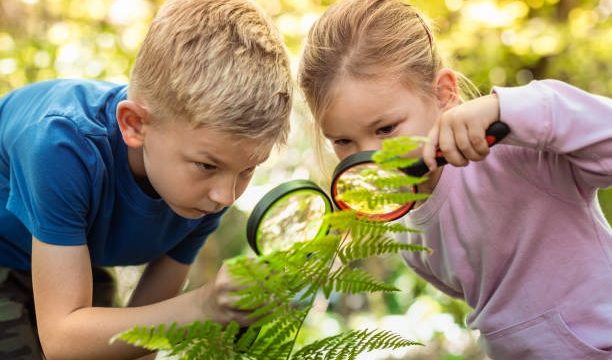
At the heart of all learning games is the encouragement of curiosity. When children are given the freedom to explore and ask questions, they become active participants in their learning journey. Games that challenge them to think critically and creatively can spark a lifelong love of learning.
For example, science-themed games that involve experiments or building structures can inspire a fascination with the natural world. By encouraging children to experiment and discover, these games nurture their innate curiosity, helping them become independent thinkers who are eager to explore new ideas.
The joy of shared experiences
One of the most beautiful aspects of learning games is the joy they bring when shared with family and friends. These moments create lasting memories, strengthening bonds and fostering a sense of belonging. Whether it’s a family game night or a gathering with friends, the laughter and excitement that fill the room can create a warm atmosphere where children feel supported and valued.
As they engage in learning games together, children learn to celebrate each other’s successes and provide encouragement during challenges. This positive reinforcement builds confidence and helps them realize the importance of community and support in their lives.
In conclusion, learning games are a wonderful way for children to thrive in a world filled with opportunities and challenges. By embracing the joy of play, we can help them develop essential skills that will serve them throughout their lives. As parents and caregivers, creating an environment that encourages exploration, collaboration, and emotional growth can lead to not just smarter kids, but happier, more resilient individuals. So, let’s embrace the magic of learning through play and watch our children flourish.