In a world where technology often mediates our conversations, the art of dialogue can sometimes feel lost.
Yet, it is through real-life dialogue that we learn so much about language, culture, and even ourselves.
Engaging in conversations with others offers a natural and enriching way to absorb new information, hone communication skills, and develop a deeper understanding of the world around us.
Imagine sitting in a cozy café, the aroma of freshly brewed coffee wafting through the air, as you chat with a friend or a stranger. The exchange of thoughts, opinions, and stories creates an environment ripe for learning. Each word spoken is an opportunity, a chance to grasp not just the language, but the nuances that come with it. Real-life dialogue encourages us to be present, to listen actively, and to respond authentically.
The beauty of natural conversation lies in its spontaneity. Unlike formal lessons or structured learning environments, dialogues can take unexpected turns, leading to new topics and concepts that might not have been on our radar. This unpredictability is a powerful teacher. When we engage in conversation, we are not merely repeating phrases or vocabulary; we are weaving our personal experiences into the tapestry of language. This personal touch adds a layer of meaning that enhances our understanding.
As we navigate through conversations, we often find ourselves picking up on the subtleties of expression. The way someone emphasizes a word, the rhythm of their speech, or the emotions that color their tone—all these elements contribute to a richer learning experience. It’s in these moments that we learn to appreciate the beauty of language not just as a tool, but as a means of connection.
A small shift toward balance can also be found in the way we approach dialogue. While it’s easy to focus solely on what we want to say, equally important is the act of listening. Active listening allows us to absorb not just the words, but the intent behind them. When we truly listen, we open ourselves up to new perspectives. This exchange can challenge our preconceived notions and expand our understanding of different cultures and ideas.
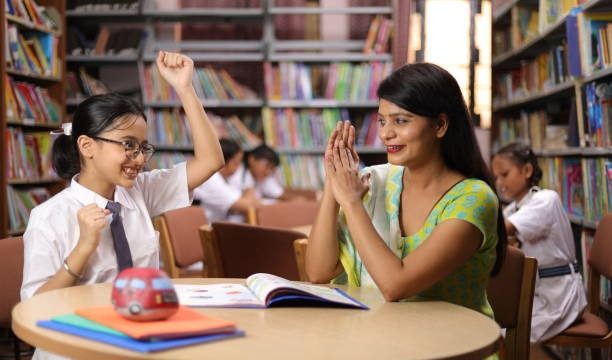
Moreover, engaging in dialogue can be a delightful way to practice a new language. For language learners, real-life conversations provide a comfortable space to experiment with vocabulary and grammar in a low-pressure environment. Mistakes become less daunting when shared with a friend or a fellow learner who understands the journey. The laughter that often accompanies these moments of miscommunication can break down barriers, making the experience all the more enjoyable.
The social aspect of learning through dialogue is also crucial. Conversations foster a sense of community and belonging. When we engage with others, we create bonds that enhance our motivation to learn. Sharing stories, asking questions, and exchanging ideas can lead to a deeper connection with those around us. This camaraderie encourages us to explore topics more thoroughly, as we feel supported and inspired by the people we converse with.
Incorporating real-life dialogue into your learning routine can be as simple as striking up a conversation with someone new. Whether it’s a neighbor, a colleague, or a fellow student, every interaction is an opportunity to learn. If you’re feeling shy or uncertain, you might start with small talk, gradually building up to deeper topics as you become more comfortable.
Another approach is to join language exchange groups or community events. These settings provide a structured yet relaxed atmosphere to practice dialogue. The shared goal of improving communication creates a supportive environment where everyone is invested in each other’s progress. Engaging in discussions about culture, hobbies, or current events can lead to enriching exchanges that deepen your understanding of both the language and the people who speak it.
As you embark on this journey of learning through dialogue, remember to be patient with yourself. Language acquisition is a process, and every conversation is a step forward, even if it feels small. Celebrate the little victories—those moments when you successfully express your thoughts or when someone responds with enthusiasm to your ideas. These instances are not just milestones in language learning; they are also affirmations of your growth and courage.
Moreover, don’t underestimate the power of reflection after a conversation. Taking a moment to think back on what was discussed can solidify your understanding and help you identify areas for improvement. Perhaps there was a phrase you didn’t quite grasp, or a cultural reference that piqued your interest. Use these reflections as a springboard for further exploration, whether through reading, watching films, or engaging in more conversations.
In essence, using real-life dialogue as a tool for learning is about more than just mastering a language. It’s about embracing the connections we forge with others, expanding our horizons, and enriching our experiences. It reminds us that learning is not a solitary endeavor; it thrives in the company of others.
So, the next time you find yourself in a conversation, embrace it fully. Listen, share, and engage. The beauty of language lies in its ability to connect us, and through real-life dialogue, we can learn to navigate the world with greater understanding and compassion. Each conversation is a journey, and every word exchanged is a step toward a richer, more connected life.