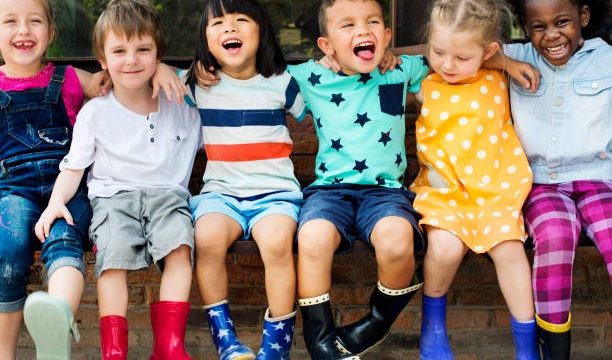
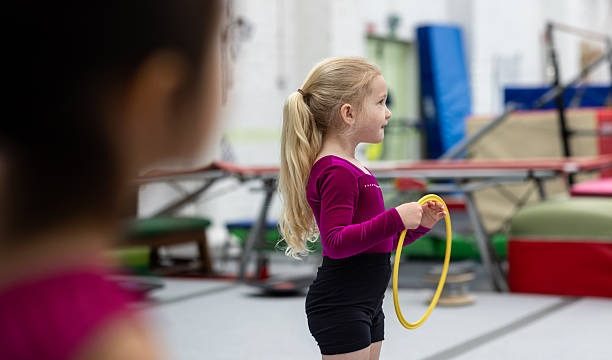
Encouraging teamwork in kindergarten is a beautiful journey, one that lays the foundation for lifelong social skills and collaboration.
At this tender age, children are naturally curious and eager to explore the world around them.
They thrive in environments where they can share, learn, and grow together. As caregivers and educators, fostering an atmosphere of cooperation can make a significant difference in their development.
A gentle introduction to collaboration
In the early years of education, children are often focused on individual play and personal exploration. However, introducing them to the concept of teamwork doesn’t have to be a daunting task. It can start with simple, everyday activities that encourage sharing and collaboration. For instance, during playtime, consider setting up stations where children can work together on a project, such as building a block tower or creating a shared art piece. These experiences not only nurture their creativity but also teach them the value of working alongside their peers.
Creating a supportive environment
The classroom environment plays a crucial role in promoting teamwork. A warm, welcoming space where children feel safe to express themselves can encourage them to engage with one another. Arranging the classroom in a way that promotes interaction, such as creating communal areas for group activities, can foster collaboration. Soft seating arrangements, shared resources, and accessible materials invite children to come together and explore ideas collectively.
Additionally, the language we use can significantly impact how children perceive teamwork. Encouraging phrases such as “Let’s work together” or “Can we help each other?” can set a positive tone. This gentle guidance helps children understand that collaboration is not just about sharing space but also about sharing thoughts and ideas.
The joy of cooperative games
Games are a wonderful way to introduce teamwork in a playful manner. Activities that require children to work together towards a common goal can be both fun and educational. Simple games like relay races or scavenger hunts encourage collaboration and communication. When children learn to rely on one another, they develop trust and build friendships that can last beyond the classroom.
In these playful moments, it’s essential to emphasize the importance of teamwork over winning. Celebrate the effort of working together, highlighting how each child contributed to the success of the group. This approach nurtures a sense of belonging and reinforces the idea that everyone’s participation is valuable.
Learning through storytelling
Stories have a unique way of connecting us, and they can be powerful tools for teaching teamwork. Sharing tales that emphasize cooperation, friendship, and the importance of working together can inspire children to embrace these values in their own lives. Whether it’s reading a picture book that features characters overcoming challenges through teamwork or telling a personal story about collaboration, these moments can spark discussions about what it means to be a good team player.
Encouraging children to share their experiences can also be enlightening. After reading a story, ask them to reflect on times they worked together with others. This not only reinforces the message of teamwork but also allows children to express their thoughts and feelings, fostering emotional intelligence.
Celebrating diversity in teamwork
Every child brings a unique perspective to the table, and celebrating this diversity can enrich the teamwork experience. Encouraging children to appreciate each other’s strengths and differences can lead to more inclusive collaboration. Activities that highlight various cultures, traditions, and abilities can create a deeper understanding among peers. This understanding fosters empathy and respect, essential components of effective teamwork.
Consider incorporating group projects that require children to share their backgrounds or interests. This could be a simple art project where each child contributes a piece that represents their heritage or a group discussion about their favorite activities. By valuing each child’s contributions, you’re nurturing an environment where teamwork flourishes.
The role of adult guidance
While children are naturally inclined to collaborate, gentle guidance from adults can significantly enhance their teamwork skills. Observing their interactions and stepping in when necessary can help facilitate healthy communication. If conflicts arise, guiding children through problem-solving can teach them how to navigate disagreements constructively.
Modeling teamwork is also essential. Children learn a great deal from observing adults, so demonstrating cooperative behavior in your interactions can set a powerful example. Whether it’s working together with colleagues or engaging with parents, showing how teamwork leads to positive outcomes reinforces its importance.
Encouraging reflection and growth
As children engage in teamwork activities, it’s beneficial to encourage reflection on their experiences. Discussing what went well, what challenges they faced, and how they overcame obstacles can deepen their understanding of collaboration. This reflection not only solidifies their learning but also helps them develop critical thinking skills.
Creating a space for children to express their feelings about teamwork can also be enriching. Journaling or sharing thoughts in a group setting allows them to articulate their experiences, reinforcing the lessons learned. This practice can cultivate a sense of accountability and personal growth, essential elements in any cooperative endeavor.
Building lasting connections
Ultimately, encouraging teamwork in kindergarten is about laying the groundwork for lasting connections. The friendships formed during these early years can shape children’s social lives for years to come. When children learn to work together, they develop not only teamwork skills but also the ability to empathize, communicate, and support one another.
As caregivers and educators, embracing the beauty of teamwork in the classroom can create a nurturing environment where children thrive. By fostering collaboration through play, storytelling, and reflection, we can help young learners build strong, meaningful relationships that will last a lifetime. In this gentle journey of cooperation, we provide children with the tools they need to navigate the complexities of life, one shared experience at a time.