Creating a vibrant classroom environment is much like cultivating a garden.
It requires nurturing, patience, and a willingness to embrace the unexpected.
One of the most enriching ways to foster meaningful conversations among students is through project-based learning. This approach not only engages learners but also encourages them to express their thoughts, ideas, and emotions in a supportive atmosphere.
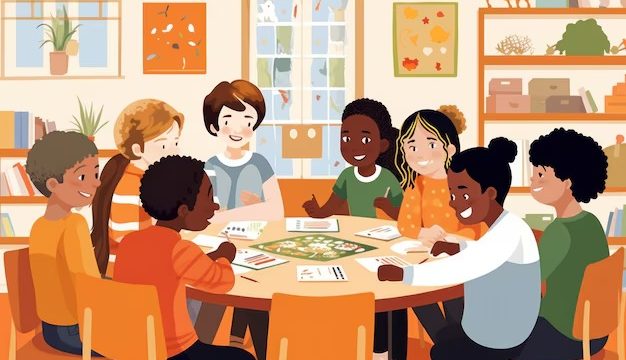
When we think about projects in the classroom, we often envision group assignments or individual tasks that culminate in a presentation or report. However, the true magic lies in the conversations that emerge throughout the process. Projects provide a platform where students can explore diverse perspectives, share their insights, and collaboratively navigate challenges. This dynamic interaction not only enhances learning but also builds a sense of community among peers.
A gentle invitation to explore ideas
Imagine a classroom where students are not just passive recipients of information but active participants in their learning journey. By integrating projects that resonate with their interests and experiences, educators can invite students to delve deeper into subjects that matter to them. This connection transforms the learning experience from a mere academic exercise into a meaningful exploration of ideas.
For instance, consider a project centered around environmental sustainability. Students might work together to research local ecosystems, propose solutions to reduce waste, or even create awareness campaigns. As they engage in discussions about their findings and opinions, they learn to articulate their thoughts effectively. Each conversation becomes a stepping stone, allowing them to challenge and refine their viewpoints.
Cultivating empathy through collaboration
One of the most profound benefits of project-based learning is its ability to cultivate empathy. When students collaborate on a project, they are exposed to different backgrounds, experiences, and perspectives. This exposure fosters a sense of understanding and compassion, encouraging them to listen actively and appreciate the diversity of thought in their classroom.
Imagine students collaborating on a project that explores cultural heritage. As they research and share stories from their own backgrounds, they begin to see the world through each other’s eyes. These conversations can lead to valuable discussions about identity, belonging, and the significance of cultural narratives. In this way, projects become a vehicle for not only learning content but also developing social and emotional skills.
The art of asking questions
At the heart of meaningful conversations lies the art of asking questions. Projects naturally inspire curiosity and inquiry, prompting students to dig deeper into the subjects they are studying. Encouraging students to formulate open-ended questions can lead to rich discussions, allowing them to explore topics from various angles.
For example, in a history project, students might pose questions like, “How did the events of this era shape the world we live in today?” or “What lessons can we learn from the past?” Such inquiries not only deepen their understanding but also stimulate conversations that engage their critical thinking skills. As students share their responses, they learn to appreciate the complexity of historical narratives and the importance of context.
Creating a safe space for expression
To foster meaningful conversations, it is essential to create a safe and supportive classroom environment. Students should feel comfortable expressing their thoughts without fear of judgment. Teachers play a crucial role in establishing this atmosphere by modeling respectful communication and encouraging active listening.
In project-based learning, the process is just as valuable as the outcome. Celebrating the journey, including the struggles and triumphs, helps students understand that learning is a continuous process. When they feel safe to explore their ideas and emotions, they are more likely to engage in open conversations that promote growth.
Bridging the gap between curriculum and real life
One of the most rewarding aspects of project-based learning is its ability to bridge the gap between academic content and real-life experiences. When students see the relevance of what they are learning, they become more invested in the conversation. Projects that connect classroom knowledge to the world outside create a sense of purpose, encouraging students to engage in discussions that matter.
For instance, a project focused on community service could encourage students to identify local issues they are passionate about. As they brainstorm solutions and develop action plans, they are likely to engage in conversations about civic responsibility, social justice, and the impact of their actions on the community. These discussions not only enhance their understanding of the subject matter but also empower them to become active contributors to society.
Embracing the unexpected
In any learning environment, the unexpected can often lead to the most meaningful conversations. Projects can take unexpected turns, and students may discover new interests or insights along the way. Embracing these moments of spontaneity allows for organic discussions that can deepen understanding and spark creativity.
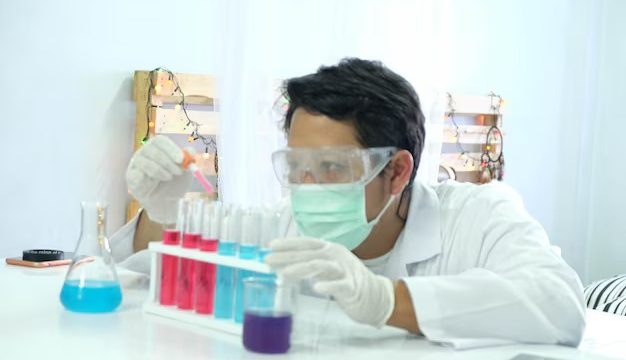
For example, during a science project, students may encounter a surprising result in their experiments. Instead of steering the conversation back to the expected outcomes, educators can encourage students to explore these anomalies. Questions like, “What do you think caused this result?” or “How can we investigate further?” can lead to rich discussions that promote critical thinking and problem-solving.
Reflecting on the journey
As projects come to a close, it is essential to allow time for reflection. Encouraging students to share their experiences, insights, and challenges can lead to meaningful conversations that reinforce their learning. Reflection helps them synthesize their thoughts and articulate their growth throughout the project.
Incorporating reflective practices, such as journaling or group discussions, enables students to process their experiences and recognize the value of collaboration. These reflections can provide a sense of closure while also paving the way for future projects and conversations.
In conclusion, using projects to create meaningful classroom conversations is a powerful approach that enriches the learning experience. By fostering curiosity, empathy, and collaboration, educators can cultivate a vibrant classroom community where students feel empowered to express their ideas. As they engage in thoughtful discussions, they not only deepen their understanding of the subject matter but also develop essential life skills that will serve them well beyond the classroom walls. Embracing the journey of learning together creates a nurturing environment where every conversation matters.