In the world of education, the relationship between teachers and students serves as a cornerstone for effective learning.
When these connections are nurtured, they create a nurturing environment that fosters growth, curiosity, and a love for learning.
Building strong teacher-student relationships isn’t just about being friendly; it involves understanding, empathy, and a commitment to each student’s well-being.
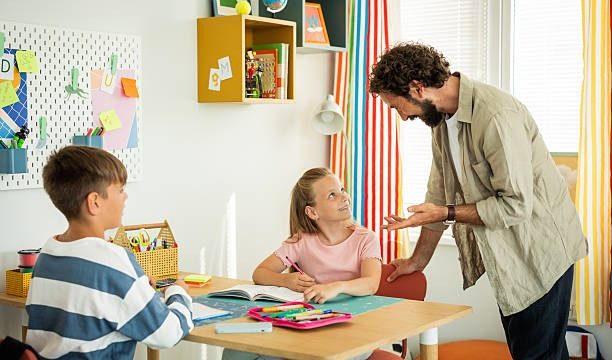
Creating a welcoming atmosphere is often the first step in establishing these vital connections. A classroom that feels safe and inviting encourages students to express themselves freely. This can be achieved through simple gestures, such as greeting students at the door, using their names often, and showing genuine interest in their lives. When students feel acknowledged and valued, they are more likely to engage in classroom activities and share their thoughts openly.
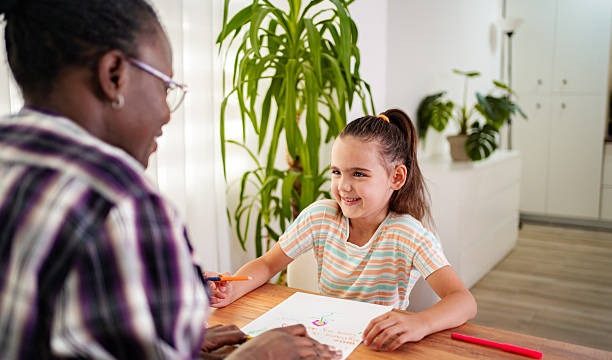
Another important aspect of building strong relationships is the power of active listening. When teachers take the time to truly hear their students—whether it’s during a casual conversation or a more serious discussion—it fosters trust and respect. This means being present in the moment, maintaining eye contact, and responding thoughtfully to what students share. Active listening helps students feel understood, and it shows them that their opinions and feelings matter.
A small shift toward balance can also significantly impact the teacher-student dynamic. While it’s essential to maintain authority in the classroom, it’s equally important to be approachable. Striking this balance can be achieved by incorporating moments of humor and light-heartedness into lessons. When teachers share a laugh or show their own vulnerabilities, it humanizes them and makes them more relatable. Students are more likely to open up when they see their teachers not just as educators but as real people with experiences and emotions.
Understanding and celebrating diversity in the classroom is another crucial element in building strong connections. Each student comes with their own unique background, experiences, and learning styles. Taking the time to learn about these differences can enrich the classroom environment. Incorporating diverse perspectives into lessons not only validates students’ identities but also encourages a sense of belonging. When students feel that their individuality is valued, they are more inclined to engage actively in their learning.
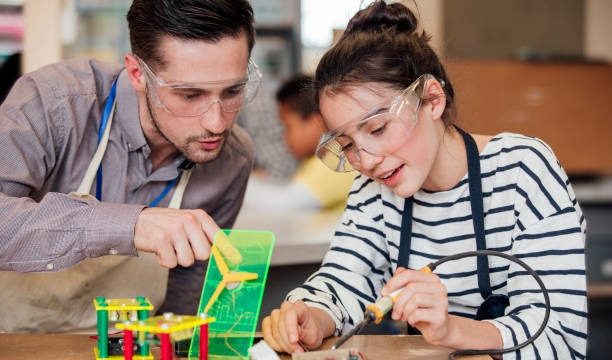
Encouraging student autonomy is another key aspect of nurturing strong relationships. When teachers provide opportunities for students to make choices in their learning, it empowers them and fosters a sense of ownership. This can be as simple as letting students choose the topics for projects or allowing them to have a say in classroom rules. When students are involved in the decision-making process, they feel more invested and connected to their learning experience.
Cultivating a growth mindset within the classroom can also enhance teacher-student relationships. When teachers emphasize effort and resilience over innate ability, it encourages students to embrace challenges and learn from their mistakes. Celebrating small victories and progress fosters a supportive environment where students feel safe to take risks. This approach not only strengthens relationships but also builds confidence in students, making them more willing to participate and engage.
Another gentle yet effective way to strengthen connections is through regular check-ins. Taking a few minutes at the beginning or end of class to ask students how they are feeling or what they need can make a big difference. These moments of connection allow students to express concerns or share successes, creating a sense of community. It shows that teachers care about their students as individuals, not just as learners.
Building strong relationships is a continuous process that requires patience and dedication. It’s important for teachers to reflect on their practices and seek feedback from students. This openness not only models vulnerability but also demonstrates a willingness to grow alongside their students. By creating an environment where feedback is welcomed, teachers can adapt their approaches to better meet the needs of their students.
Incorporating social-emotional learning (SEL) into the curriculum can also play a significant role in strengthening teacher-student relationships. SEL teaches students skills such as self-awareness, empathy, and interpersonal communication. By integrating these principles into daily lessons, teachers can help students develop not only academically but also emotionally. This holistic approach fosters a classroom climate where students feel supported and understood, which in turn enhances their relationships with their teachers.
As educators, it is essential to recognize that building strong relationships is not a one-time effort but an ongoing journey. Each interaction, no matter how small, contributes to the overall connection between teachers and students. By being mindful of the impact of their words and actions, teachers can create a ripple effect that positively influences their students’ learning experiences.
Ultimately, the heart of education lies in the connections we forge with one another. Strong teacher-student relationships provide a foundation for academic success and personal growth. When students feel seen, heard, and valued, they are more likely to thrive in their educational journey. So, as we navigate the complexities of teaching, let us remember the profound impact we can have on the lives of our students through the simple yet powerful act of building relationships.
In a world that often feels disconnected, nurturing these bonds can create a more compassionate and engaging learning environment. It’s about more than just teaching; it’s about fostering a community where everyone feels they belong and can flourish. Embracing this journey will not only enrich our students’ lives but will also bring joy and fulfillment to our own as educators.