Creating an enjoyable learning experience for every student is a goal that resonates with educators and parents alike.
In a world where the pace of life can often feel overwhelming, finding ways to infuse joy and engagement into lessons can transform the educational landscape.
With a few thoughtful strategies, it’s possible to cultivate an atmosphere where students not only absorb information but also develop a genuine love for learning.
One effective approach to making lessons enjoyable is to foster a sense of community within the classroom. When students feel connected to one another and to their teacher, they are more likely to participate actively in discussions and activities. This sense of belonging can be nurtured through group projects, cooperative learning exercises, and open dialogues that allow students to express their thoughts and ideas. By creating a warm, inclusive environment, educators can encourage students to take risks, ask questions, and ultimately engage more deeply with the material.
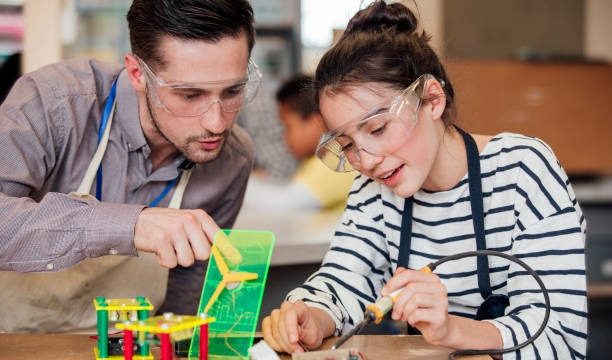
Incorporating creativity into lessons can also breathe new life into traditional subjects. Whether it’s through art, music, or storytelling, creative elements can make learning feel more dynamic and relatable. For instance, a history lesson might come alive through a dramatic reenactment or a science topic could be explored through a hands-on experiment. By allowing students to express themselves creatively, teachers can tap into their diverse interests and talents, making lessons feel more personal and enjoyable.
Another key aspect of making lessons enjoyable is to connect the material to real-world experiences. Students often struggle to see the relevance of what they’re learning, so bridging that gap can spark their interest and curiosity. For example, discussing mathematical concepts through practical applications, such as budgeting for a project or measuring ingredients in a recipe, can help students understand the value of their education. When lessons are tied to their own lives and aspirations, students are more likely to stay engaged and motivated.
A gentle shift toward flexibility in teaching methods can also enhance the enjoyment of learning. Every student is unique, and what works for one may not resonate with another. Offering a variety of instructional approaches—such as visual aids, hands-on activities, and interactive discussions—can cater to different learning styles and preferences. By being open to adjusting the pace and style of lessons, teachers can create a more personalized learning experience that feels both supportive and engaging.
Emphasizing the process of learning rather than just the end result can also contribute to a more enjoyable classroom atmosphere. Encouraging students to embrace challenges and mistakes as part of their educational journey helps cultivate a growth mindset. When students understand that learning is a continuous process filled with ups and downs, they are less likely to feel discouraged by setbacks. Celebrating small victories along the way, whether it’s mastering a new concept or improving a skill, can create a positive feedback loop that keeps students motivated and excited about their progress.
Integrating technology into the classroom can also play a significant role in enhancing student engagement. In today’s digital age, students are often more excited about learning when it involves tools and resources they are familiar with. Whether it’s using educational apps, interactive online platforms, or multimedia presentations, technology can make lessons feel more relevant and engaging. However, it’s essential to strike a balance; technology should complement traditional teaching methods rather than replace them entirely.
Creating opportunities for student choice can further enrich the learning experience. When students have a say in what they learn and how they demonstrate their understanding, they are more likely to feel invested in the material. This could mean allowing them to choose a project topic, select a book for a reading assignment, or even decide how to present their findings. Empowering students to make choices fosters a sense of ownership over their education, which can lead to greater enthusiasm and enjoyment in the classroom.
A focus on mindfulness can also enhance the overall learning experience. Incorporating moments of mindfulness or relaxation into the school day can help students manage stress and enhance their focus. Simple practices like deep breathing exercises, short meditation sessions, or even a few moments of silence can create a calm and centered environment. When students feel more at ease, they are better equipped to engage with the lesson and absorb the information being presented.
Finally, building strong relationships with students plays a crucial role in creating a joyful learning environment. Taking the time to get to know each student as an individual—understanding their interests, strengths, and challenges—can foster trust and respect. When students feel valued and understood, they are more likely to participate actively in lessons and share their thoughts openly. A supportive teacher-student relationship can make a world of difference in how students perceive their learning experience.
In conclusion, making lessons enjoyable for every student is an achievable goal that can lead to a more vibrant and effective educational experience. By cultivating a sense of community, embracing creativity, connecting lessons to real-world experiences, and prioritizing flexibility, teachers can create an atmosphere where students thrive. Incorporating technology, offering choices, and promoting mindfulness can further enhance engagement, while strong relationships with students lay the foundation for a positive learning environment. With these strategies in place, the classroom can become a place where students not only learn but also find joy in the journey of discovery.