In a world where screens often dominate our attention, fostering a love for reading and writing in children can feel like a challenge.
Yet, with a sprinkle of creativity and an open heart, we can transform these essential skills into enjoyable adventures.
Making reading and writing lessons fun not only enhances learning but also nurtures a lifelong passion for language. Here are some gentle ways to inspire that love.
A playful approach to reading can work wonders. Instead of treating reading as a chore, consider it an opportunity for exploration. Create a cozy reading nook at home, adorned with soft cushions and warm lighting. This inviting space can encourage children to dive into the pages of their favorite books. When reading together, choose stories that spark curiosity. Ask questions that ignite imagination, such as, “What do you think will happen next?” This invites children to engage with the narrative, making them active participants in the story rather than passive listeners.
Storytelling can also be a delightful way to bring reading to life. Encourage children to retell their favorite stories in their own words, allowing them to use their imagination and creativity. They can even act out scenes, donning costumes or using props from around the house. This not only enhances comprehension but also makes the experience memorable and enjoyable. The fun lies in the freedom to express thoughts and ideas without the pressure of perfection.
When it comes to writing, the key is to create an environment that feels safe and encouraging. Instead of formal writing assignments, introduce journaling as a way for children to express their thoughts and feelings. Provide them with colorful notebooks and a selection of writing tools—gel pens, markers, or even crayons. This tactile experience can make writing feel less daunting and more like an art form. Encourage them to write about their day, their dreams, or even their favorite adventures from books. The focus here is on self-expression rather than grammar or spelling.
Another charming way to inspire writing is through collaborative storytelling. Gather the family together for a storytelling circle where each person contributes a sentence or two to create a collective narrative. This can lead to unexpected twists and turns, sparking laughter and joy. It also helps children understand the flow of a story, while appreciating the contributions of others. This shared activity strengthens bonds and makes writing a communal experience rather than an isolated task.
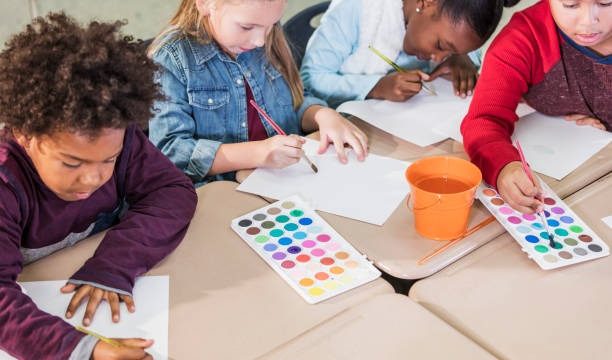
Introducing creative writing prompts can also ignite inspiration. These can be simple phrases or images that encourage children to think outside the box. For example, starting with “If I could fly anywhere, I would…” can open the door to imaginative journeys. Encourage children to illustrate their ideas, blending art with writing. This fusion not only makes the process enjoyable but also allows them to explore their creativity in multiple forms.
A small shift toward balance can occur when we incorporate technology into reading and writing activities. There are numerous apps and online platforms that turn reading into an interactive experience. Audiobooks can be a delightful alternative, allowing children to listen to stories while following along in their books. This multisensory approach can enhance understanding and retention. Similarly, writing apps that provide fun prompts and allow for multimedia elements, like images and sounds, can make writing feel fresh and exciting.
Field trips can also bring a new dimension to learning. A visit to the local library can be a treasure hunt for books that resonate with children’s interests. Libraries often host reading programs and storytime sessions, providing an opportunity for children to connect with peers and develop social skills while enjoying literature. Nature walks can inspire writing, allowing children to observe their surroundings and jot down their thoughts or sketches inspired by what they see. This connection to the world around them can enrich their writing and deepen their appreciation for language.
Incorporating games into reading and writing lessons can add an element of fun that is often missing in traditional approaches. Board games that involve word formation or storytelling can reinforce skills in an entertaining way. For instance, games like Scrabble or storytelling dice can encourage children to think creatively while enjoying time with family and friends. These playful interactions not only enhance learning but also create cherished memories.
Creating a reading and writing club can also be a wonderful way to foster a sense of community. Whether it’s a small group of friends or a family affair, gathering to discuss books and share writing can be incredibly rewarding. This not only motivates children to read more but also provides a platform for them to express their thoughts and opinions in a supportive environment. The discussions can lead to deeper understanding and appreciation of literature, enriching their experience.
The beauty of making reading and writing lessons fun lies in the journey of discovery. By nurturing curiosity and creativity, we can help children develop a love for language that lasts a lifetime. It’s about creating moments of joy, laughter, and connection. As we weave together stories and ideas, we allow children to explore the world of words in a way that feels effortless and exciting.
Ultimately, the goal is to cultivate an environment where reading and writing are seen as thrilling adventures rather than obligations. By embracing creativity, playfulness, and community, we can inspire children to embark on their own literary journeys. With each page turned and each word written, we open the door to endless possibilities, encouraging a lifelong love for reading and writing.