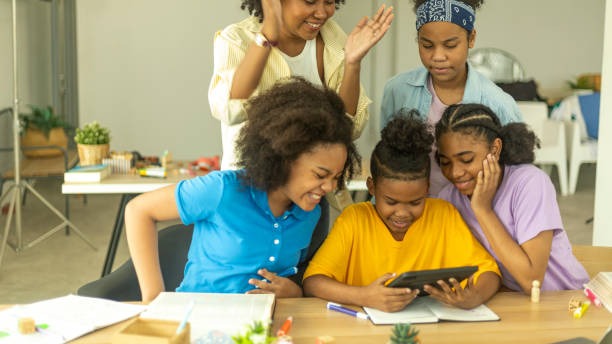
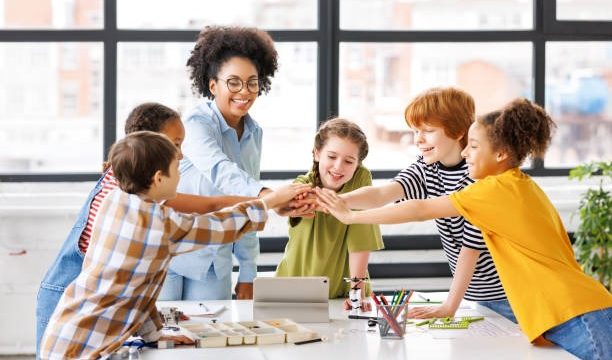
In today’s ever-evolving educational landscape, teachers are constantly seeking fresh and imaginative ways to engage their students.
With a wealth of resources at our fingertips, it can be both exciting and daunting to figure out how to incorporate them effectively into the classroom.
The key lies in creativity and a willingness to experiment. By harnessing educational resources in innovative ways, we can create a vibrant learning environment that ignites curiosity and fosters a love for learning.
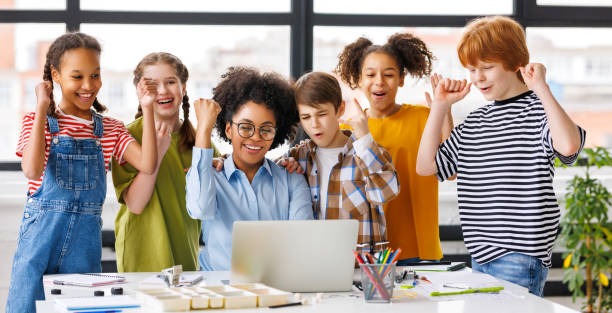
One effective method is to integrate technology in a way that feels seamless and natural. For instance, using interactive platforms can transform a traditional lesson into an engaging experience. Imagine students participating in a virtual field trip, exploring ancient ruins or the depths of the ocean from their desks. This kind of immersive learning not only captivates attention but also deepens understanding by allowing students to visualize concepts in a dynamic way. When they can see and interact with the subject matter, it becomes more relatable and memorable.
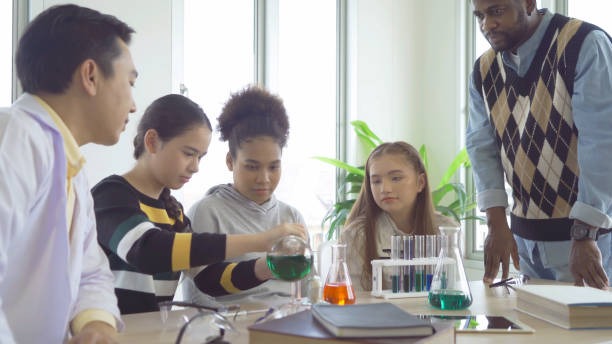
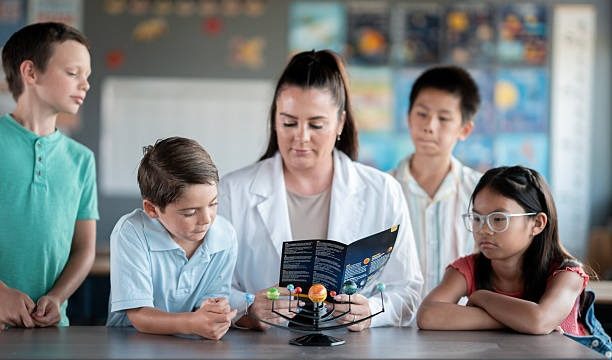
Beyond technology, hands-on activities can breathe life into any lesson. Incorporating educational resources, like art supplies or science kits, allows students to embody the learning process. For example, in a science class, students can conduct simple experiments with everyday materials, observing reactions and drawing conclusions. This tactile approach not only solidifies concepts but also encourages teamwork and communication, as students collaborate and share their findings. The joy of discovery becomes a shared experience, reinforcing community within the classroom.
Another enriching approach is to utilize storytelling as a vehicle for learning. Whether through literature, personal narratives, or even multimedia presentations, stories can bridge gaps and spark interest in various subjects. For instance, a history teacher might present historical events through the lens of personal accounts or fictional narratives, making the material more relatable. This method allows students to connect emotionally with the content, fostering empathy and a deeper understanding of the human experience throughout history.
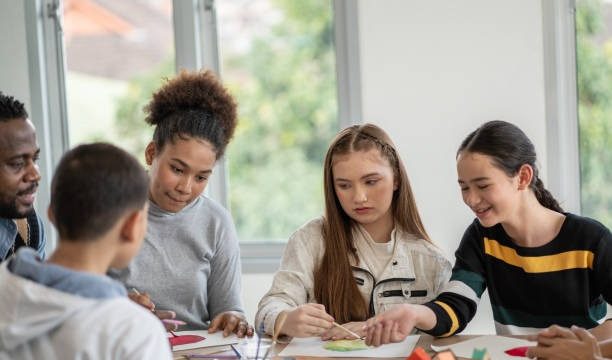
As we explore various subjects, it’s important to recognize the role of interdisciplinary learning. By blending different areas of study, educators can create a more holistic educational experience. For example, a project that combines art and science can be both enlightening and enjoyable. Students might explore the science behind color mixing while creating their own masterpieces. This not only reinforces scientific principles but also encourages creativity, allowing students to express themselves in diverse ways.
A small shift toward balance can also be achieved through the incorporation of wellness activities within the classroom. Mindfulness practices, such as short meditation sessions or gentle stretching, can help students refocus and recharge during the school day. These moments of calm can enhance concentration and foster a positive classroom atmosphere. When students feel balanced and centered, they are more likely to engage with the material and each other, creating a supportive learning environment.
In addition, creating a resource-rich classroom can empower students to take ownership of their learning. By providing a variety of materials—books, art supplies, educational games, and technology—teachers can encourage students to explore topics that resonate with them personally. This autonomy not only boosts confidence but also cultivates a love for learning that extends beyond the classroom walls. When students feel free to pursue their interests, they are more likely to develop a lifelong passion for knowledge.
Moreover, collaborating with community resources can enrich the educational experience. Local museums, libraries, and businesses often offer programs and materials that align with classroom learning. Organizing field trips or inviting guest speakers can provide students with real-world connections to their studies. For example, a local scientist might visit to discuss their work, inspiring students and highlighting the relevance of their education. These partnerships can create a sense of belonging and connection to the community, further enhancing the learning experience.
As we embrace creativity in the classroom, it’s essential to foster a culture of experimentation. Encouraging students to take risks and make mistakes can lead to profound learning experiences. Creating a safe space for exploration allows students to ask questions, seek answers, and develop critical thinking skills. When they know that their ideas are valued, they are more likely to engage deeply with the material and with one another.
Incorporating educational resources into the classroom does not have to be a daunting task. With a little creativity and an open mind, teachers can create a rich tapestry of learning experiences that cater to diverse student needs. By blending technology, hands-on activities, storytelling, interdisciplinary approaches, wellness practices, student autonomy, and community collaboration, educators can cultivate an environment where curiosity thrives.
Ultimately, the goal is to inspire a love for learning that lasts a lifetime. By nurturing creativity and encouraging exploration, we equip our students with the tools they need to navigate an ever-changing world. Each resource, each activity, and each moment of discovery contributes to a larger narrative of growth and understanding. As educators, we have the privilege of guiding students on this journey, helping them uncover their passions and potential along the way. In doing so, we not only enhance their educational experience but also enrich our own as we witness the wonder of learning unfold in our classrooms.