In a world where education is constantly evolving, the need for engaging and interactive learning experiences has never been more vital.
As we navigate through various resources available today, we can transform traditional learning into an enriching journey.
By utilizing educational resources effectively, we can create a vibrant atmosphere that fosters curiosity and encourages exploration. Let’s delve into how we can make learning interactive and enjoyable for everyone involved.
Finding the Right Resources
The first step in making learning interactive is identifying the right resources that resonate with learners. From textbooks to online platforms, the variety of educational materials can be overwhelming. However, the key is to find resources that not only provide information but also engage the learner’s imagination. Consider incorporating multimedia elements such as videos, podcasts, and interactive websites. These tools can cater to different learning styles, making the experience more inclusive and dynamic.
When selecting resources, think about what excites and inspires the learner. For instance, if a student is passionate about nature, integrating documentaries or interactive nature apps can spark their interest and encourage deeper exploration. This connection between the material and the learner’s interests is fundamental in creating an interactive learning environment.
Creating a Collaborative Space
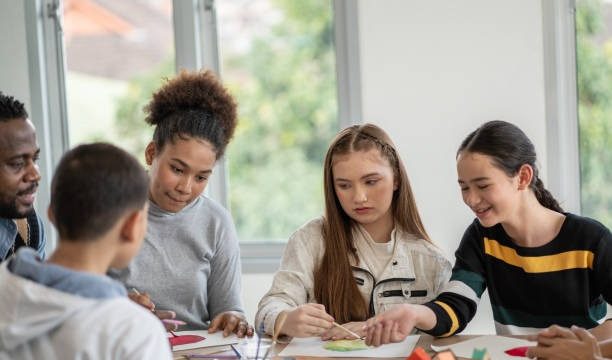
Learning doesn’t have to be a solitary endeavor. By fostering a collaborative space, we can enhance the interactive experience. Encourage group activities where learners can share their thoughts, ask questions, and work together on projects. This collaboration not only builds social skills but also allows for the exchange of diverse perspectives.
Consider implementing discussion forums or study groups, whether in-person or online. These platforms provide a safe space for learners to express their ideas and challenge each other’s thinking. The exchange of knowledge in a supportive environment can lead to richer understanding and retention of information.
Incorporating Hands-On Activities
Another effective way to make learning interactive is by incorporating hands-on activities. Engaging the senses can lead to a deeper understanding of concepts. Whether it’s through experiments in science, art projects, or field trips, these activities encourage learners to connect theory with practice.
For example, if a group is studying ecosystems, a visit to a local park or nature reserve can provide firsthand experience that enhances their understanding. Similarly, art projects related to historical events or scientific principles can make learning feel more tangible. These immersive experiences not only make learning memorable but also ignite a passion for exploration and discovery.
Utilizing Technology Wisely
In today’s digital age, technology plays a crucial role in education. Interactive apps, educational games, and virtual reality experiences can transform learning into an engaging adventure. However, it’s essential to use technology wisely. The goal is to enhance learning, not distract from it.
When integrating technology, choose tools that promote interaction and creativity. For instance, platforms that allow for collaborative projects or simulations can provide learners with a unique opportunity to apply their knowledge in a virtual environment. This approach not only makes learning fun but also prepares them for a tech-savvy world.
Encouraging Self-Directed Learning
One of the most empowering aspects of education is the ability to take charge of one’s own learning journey. Encouraging self-directed learning can significantly enhance interactivity. By allowing learners to explore topics that interest them, we foster a sense of ownership and motivation.
Provide resources that support independent exploration, such as online courses or community workshops. Encourage learners to set their own goals and seek out information that aligns with their interests. This autonomy can lead to a more personalized learning experience and ignite a lifelong love for learning.
Fostering a Growth Mindset
Creating an interactive learning environment also involves nurturing a growth mindset. Encourage learners to view challenges as opportunities for growth rather than obstacles. This shift in perspective can transform how they approach learning and problem-solving.
Celebrate efforts and progress, regardless of the outcome. Emphasize the importance of persistence and resilience in the face of challenges. By fostering a supportive atmosphere, learners will feel more comfortable taking risks and engaging in discussions, leading to a more interactive experience.
Connecting Learning to Real Life
Another essential aspect of making learning interactive is connecting it to real-life situations. When learners can see the relevance of what they are studying, their engagement increases. Encourage discussions around current events, societal issues, or personal experiences related to the subject matter.
For example, if a group is studying economics, discussing local businesses and their impact on the community can bring the concepts to life. This connection not only makes learning more engaging but also instills a sense of responsibility and awareness in learners.
Reflecting on the Experience
Lastly, it’s important to reflect on the learning experience. Encourage learners to share their thoughts on what worked well and what could be improved. This reflection can provide valuable insights into their learning preferences and help refine future interactive strategies.
Creating a culture of reflection fosters a deeper understanding of the material and encourages continuous improvement. It also reinforces the idea that learning is a journey, not just a destination.
In conclusion, making learning interactive is a multifaceted approach that requires thoughtful consideration of resources, collaboration, and personal connection. By embracing a variety of educational tools and fostering a supportive environment, we can transform the learning experience into an engaging adventure. As we navigate through this journey, let’s remember that the ultimate goal is to inspire curiosity and a lifelong love for learning in every individual.