In our increasingly interconnected world, the importance of education cannot be overstated.
Yet, despite the wealth of information available, many people still face barriers when it comes to accessing educational resources.
Whether due to geographic, economic, or social factors, the challenge of ensuring that everyone has equal access to learning opportunities remains a pressing issue. In this exploration, we will delve into ways we can make educational resources more accessible to all.
A gentle shift toward inclusivity
To truly embrace the concept of accessible education, we must first recognize that inclusivity is not merely a goal, but a fundamental aspect of the learning experience. It’s essential to consider the diverse needs of learners, including those with disabilities, those from low-income backgrounds, and those living in remote areas. By fostering an environment that welcomes and supports everyone, we open the doors to a wealth of knowledge that can enrich lives and communities.
One of the most significant strides in making education accessible is the digital transformation we’ve witnessed in recent years. Online platforms and resources have revolutionized the way we learn, allowing individuals to access a vast array of materials from the comfort of their homes. However, the digital divide remains a challenge. Not everyone has reliable internet access or the necessary devices to engage with these resources. Thus, it’s vital to invest in infrastructure that ensures connectivity for everyone, particularly in underserved communities.
Creating a tapestry of resources
When we think about educational resources, it’s easy to focus on traditional materials like textbooks and lectures. However, the landscape of learning is much richer than that. From podcasts and videos to interactive online courses, the variety of formats available can cater to different learning styles. By diversifying the types of resources offered, we can engage a broader audience and meet learners where they are.
Another important aspect of accessibility is language. Education should be available in multiple languages to reach non-native speakers and those who may struggle with the primary language of instruction. By providing translations and localizing content, we not only make education accessible but also celebrate the rich tapestry of cultures that contribute to our society.
Cultivating community support
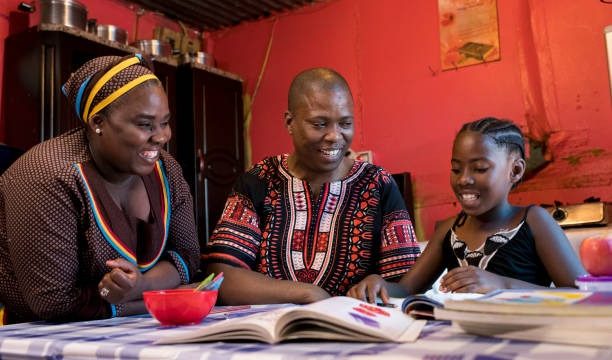
Community involvement plays a significant role in making educational resources accessible. Local organizations, libraries, and schools can collaborate to create programs that address specific needs within their communities. For instance, after-school programs can offer tutoring and homework help to students who may not have access to support at home. Additionally, community centers can host workshops that provide essential skills training, helping individuals gain confidence and knowledge that can lead to better job opportunities.
Mentorship programs also hold immense potential for bridging the gap in education. By pairing experienced individuals with learners, we can create a nurturing environment where knowledge is shared and personal growth is encouraged. Mentors can provide guidance, support, and encouragement, helping to instill a love of learning that can last a lifetime.
Embracing technology with care
While technology can be a powerful tool for enhancing education, it’s important to approach its integration thoughtfully. Not all digital resources are created equal, and some may inadvertently exclude certain groups of learners. Platforms should be designed with accessibility in mind, ensuring that they are user-friendly for individuals with disabilities. This includes using screen readers, captioning videos, and providing easy navigation options.
Moreover, as we embrace online learning, we must also prioritize the development of skills that empower individuals to use technology effectively. Digital literacy is crucial in today’s world, and equipping learners with the tools they need to navigate online resources can help level the playing field.
Fostering a culture of lifelong learning
Education doesn’t stop in the classroom. To truly make resources accessible, we must cultivate a culture of lifelong learning. This means encouraging individuals to continue seeking knowledge and skills throughout their lives, regardless of age or background. Community workshops, online courses, and informal learning opportunities can all contribute to this culture, allowing people to engage with educational content in a way that fits their lives.
Promoting the idea that learning is a journey can inspire individuals to embrace their curiosity and pursue their interests. When we frame education as an ongoing adventure, we empower everyone to take charge of their own learning paths and seek out the resources that resonate with them.
A vision for the future
As we look toward the future, it’s essential to remain committed to making educational resources accessible to everyone. This requires collaboration among educators, policymakers, and community leaders to create an environment where learning is valued and supported. By continuing to innovate and adapt, we can ensure that education remains a right, not a privilege.
Ultimately, the goal is to create a world where everyone has the opportunity to learn, grow, and thrive. By embracing inclusivity, diversifying resources, and fostering community support, we can break down the barriers that hinder access to education. Together, we can weave a rich tapestry of knowledge that reflects the diverse experiences and aspirations of all individuals.
As we embark on this journey toward a more accessible educational landscape, let us remember that every effort counts. Small changes can have a profound impact, and by working together, we can create a future where educational resources are truly available to everyone.