In a world brimming with distractions and fast-paced living, fostering independent learning in our children has become more important than ever.
Among the many ways to nurture this essential skill, reading programs stand out as a powerful tool.
They not only enhance literacy but also empower children to take charge of their own learning journeys.
Let’s explore how these programs can promote self-sufficiency and ignite a lifelong love for reading.
Encouraging a love for reading is about more than just picking up a book. It’s about creating an environment where children feel safe to explore ideas, ask questions, and express themselves. Reading programs designed with independent learning in mind provide the perfect backdrop for this exploration. They often include a rich variety of texts, allowing children to choose what resonates with them, which is a crucial factor in fostering a sense of agency.
One of the key features of effective reading programs is their emphasis on choice. When children are given the freedom to select books that intrigue them, they are more likely to engage deeply with the material. This engagement is the cornerstone of independent learning. Programs that offer a diverse library of genres—from fantasy to science fiction, mystery to non-fiction—help cultivate curiosity and encourage young readers to discover what they genuinely enjoy.
In addition to choice, many reading programs incorporate activities that promote critical thinking and reflection. These activities might include guided discussions, book clubs, or even creative projects that allow children to express their interpretations of the texts. Such initiatives not only enhance comprehension but also help children learn to articulate their thoughts and feelings about what they read. This process of reflection and discussion nurtures a deeper understanding of the material and fosters a sense of ownership over their learning.
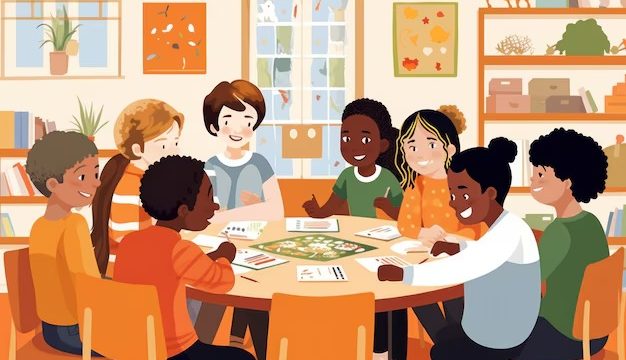
Creating a supportive community around reading is another crucial aspect of these programs. When children are surrounded by peers who share their enthusiasm for books, they are more likely to feel motivated and inspired. Reading programs often include group activities that cultivate this sense of community, whether through reading challenges, buddy systems, or collaborative projects. The friendships and connections formed in these settings can further enhance a child’s reading experience, making it not just an individual pursuit but a shared adventure.
It’s also important to consider the role of technology in promoting independent learning through reading. Many contemporary reading programs utilize digital platforms that offer interactive reading experiences. E-books with built-in dictionaries, audiobooks, and reading apps can engage children in new and exciting ways. These tools can make reading more accessible and appealing, particularly for reluctant readers. By incorporating technology thoughtfully, we can help children navigate their reading journeys in a manner that feels modern and relevant.
As children progress through reading programs, they often develop essential skills that extend beyond literacy. Independent learning fosters resilience, as children learn to tackle challenges and pursue knowledge on their own terms. They become adept at setting goals, managing their time, and seeking help when needed. These skills are invaluable, not just in their academic lives but throughout their personal and professional journeys.
Moreover, the impact of reading on emotional intelligence cannot be overlooked. Engaging with stories allows children to step into the shoes of different characters, providing them with the opportunity to explore various perspectives and emotions. This empathetic engagement can enhance their social skills and help them navigate their own feelings more effectively. Reading programs that focus on diverse narratives can further enrich this experience, exposing children to a wide array of cultures and life experiences.
For parents and educators looking to support independent learning through reading, it’s essential to create a nurturing environment at home or in the classroom. Setting aside dedicated time for reading, whether it’s a cozy corner with soft lighting or a designated reading hour, can make a significant difference. Encouraging discussions about books, sharing recommendations, and even reading together can reinforce the value of reading as a cherished activity.
Celebrating achievements, no matter how small, is another vital aspect of fostering a love for reading. Recognizing milestones, such as finishing a book or mastering new vocabulary, can motivate children to keep going. Reading programs that incorporate rewards, such as stickers or certificates, can provide additional encouragement and a sense of accomplishment that reinforces their independent learning journey.
As we reflect on the importance of reading programs that promote independent learning, it’s clear that these initiatives offer more than just a way to improve literacy. They provide a pathway for children to develop as thoughtful, curious individuals who are equipped to navigate the complexities of life. By nurturing a love for reading, we are not only enriching their minds but also empowering them to become lifelong learners.
In conclusion, reading programs that prioritize independent learning are invaluable in today’s educational landscape. They encourage children to explore their interests, engage with diverse narratives, and develop critical thinking skills. By creating a supportive and enriching environment, we can help children discover the joys of reading and the power of self-directed learning. As they turn the pages of their favorite books, they embark on a journey that will shape their future in countless ways. Embracing this journey together can be one of the most rewarding experiences for both children and the adults who guide them.