In today’s digital world, teaching kids coding is becoming increasingly important.
As technology continues to evolve, understanding the language of computers can provide children with valuable skills that will benefit them throughout their lives.
However, the thought of introducing coding to young minds can often feel daunting. The good news is that there are many fun and engaging ways to teach kids coding that can spark their interest and creativity.
A gentle introduction to coding can begin with play. Children naturally learn through play, and incorporating coding into games makes the process enjoyable. There are numerous online platforms and apps designed specifically for kids that turn coding into an interactive experience. For instance, platforms like Scratch allow children to create their own animations and games using simple drag-and-drop coding blocks. This hands-on approach not only teaches them the basics of programming but also encourages creativity as they bring their ideas to life.
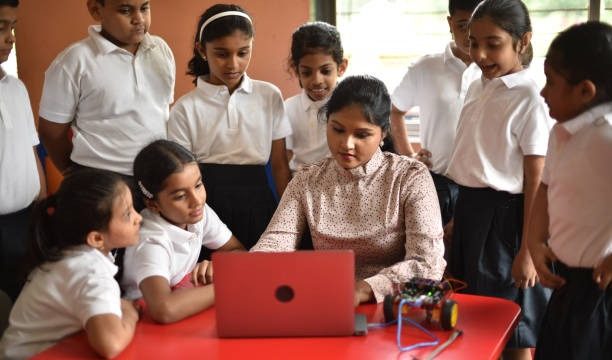
Another playful method is through robotics. Kids love building and manipulating objects, and combining this with coding can be incredibly rewarding. There are various kits available that enable children to build their own robots, which they can then program to perform specific tasks. This not only introduces them to coding concepts but also fosters problem-solving skills and critical thinking. Watching a robot dance or navigate a maze that they coded themselves can be a thrilling experience for young learners.
Storytelling is another wonderful avenue to explore when teaching coding. Children love stories, and integrating coding into storytelling can make the learning experience more relatable. For instance, you could encourage kids to create a story using coding tools, where they can animate characters and develop plots through coding sequences. This method not only reinforces coding skills but also enhances their narrative abilities. As they see their story unfold through their code, it becomes a powerful mix of creativity and logic.
Outdoor activities can also be incorporated into coding lessons. A fun approach is to create a coding scavenger hunt. Kids can follow coded clues that lead them to various locations, promoting both physical activity and problem-solving skills. This method allows children to experience coding in a real-world context. They learn to think critically about how to interpret their coded instructions while enjoying the fresh air and the thrill of exploration.
As technology becomes an integral part of our lives, combining coding with art can also be a delightful experience. Introducing kids to programs that allow them to create digital art through coding can be both fun and educational. Tools like Processing or Tynker turn coding into a canvas, where children can express their creativity while learning the fundamentals of programming. This harmonious blend of art and technology can inspire a new generation of creators who see coding as a form of artistic expression.
Integrating coding into everyday activities can also provide a seamless learning experience. For example, while cooking, you can introduce concepts like sequences and loops. By discussing the steps involved in a recipe, you can draw parallels to coding logic. This not only reinforces the idea that coding is everywhere but also helps children see the practical applications of what they learn.
Encouraging collaboration among children can enhance their coding journey. Organizing group projects or coding clubs allows kids to work together, share ideas, and learn from one another. This collaborative environment fosters teamwork and communication, essential skills in both coding and life. Plus, the excitement of working together on a shared project can motivate them to engage more deeply with coding concepts.
For families looking to bond while learning, consider planning coding nights. Set aside some time each week for family coding sessions where everyone can participate. You could explore coding games or even take on challenges together. This not only makes learning coding a family affair but also reinforces that coding can be a fun and rewarding experience, rather than a chore.
As children delve into the world of coding, it’s important to celebrate their achievements, no matter how small. Acknowledging their progress fosters a sense of accomplishment and encourages them to continue learning. Whether they successfully complete a coding project or simply grasp a new concept, taking time to celebrate these moments strengthens their motivation and confidence.
In the pursuit of teaching kids coding, it’s essential to remember that the ultimate goal is to inspire curiosity and creativity. Rather than focusing solely on the end result, emphasize the joy of learning. Allow them to explore, make mistakes, and discover solutions independently. This approach nurtures resilience and a growth mindset, which are invaluable traits in both coding and life.
As we embark on this journey of teaching coding to children, let’s embrace the fun and creativity that accompanies it. By integrating coding into play, storytelling, art, and collaboration, we can help kids develop essential skills while nurturing their passions. In this ever-evolving digital landscape, empowering the next generation with coding knowledge is a gift that will open doors and spark endless possibilities.
In the end, teaching kids coding is not just about imparting technical skills; it’s about fostering a love for learning and exploration. So, let’s make coding a joyful adventure, filled with laughter, creativity, and endless opportunities for growth.