In a world that often emphasizes structure and conformity, fostering an environment that encourages exploration can be both refreshing and transformative.
Teaching approaches that promote curiosity and creativity not only enhance learning but also nurture a love for knowledge that lasts a lifetime.
By creating spaces where students feel free to explore, educators can inspire a generation of thinkers, innovators, and dreamers.
Encouraging curiosity is at the heart of exploration. When teachers cultivate a sense of wonder in their classrooms, students are more likely to engage deeply with the material. This can be achieved through open-ended questions that stimulate critical thinking. Instead of asking students to recall facts, educators can invite them to ponder possibilities. For instance, instead of simply asking what a character in a story did, a teacher could ask why they think the character made that choice. This subtle shift encourages students to explore motivations and consequences, fostering a deeper understanding of the subject matter.
Creating a safe space for exploration is equally important. A classroom should feel like a nurturing environment where students feel comfortable expressing their thoughts and ideas. When students know that their contributions are valued and that mistakes are part of the learning process, they are more likely to take risks and explore new concepts. This can be achieved through collaborative activities that promote teamwork and shared learning experiences. Group projects or discussions that allow students to bounce ideas off one another can lead to rich, explorative dialogue and inspire new ways of thinking.
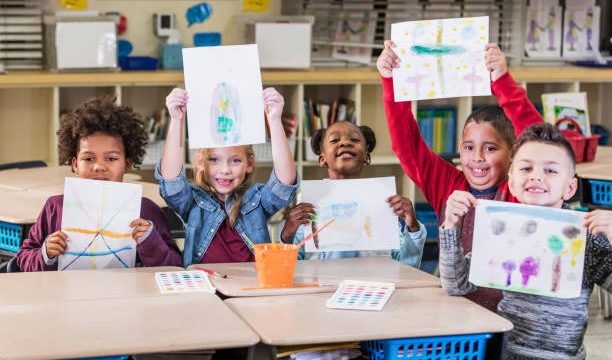
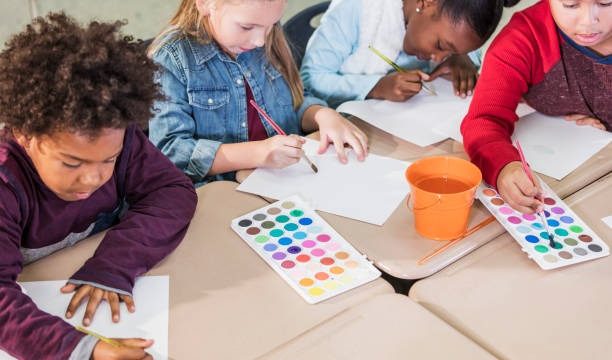
Interdisciplinary learning is another approach that encourages exploration. By connecting different subjects, educators can help students see the relevance and interconnections between various fields of study. For example, a lesson that combines science and art can allow students to explore the beauty of natural phenomena while expressing their creativity. When students recognize the links between subjects, they are more likely to engage in exploration, as they can draw from a wider range of knowledge and experiences.
The environment in which learning takes place can significantly impact a student’s willingness to explore. A classroom filled with resources, such as books, art supplies, and technology, invites students to investigate their interests. Flexible seating arrangements can also promote exploration. Allowing students to choose where and how they want to work can lead to more productive and enjoyable learning experiences. A cozy reading corner, for example, might inspire a student to dive into a book, while a collaborative workspace could encourage group brainstorming and creative problem-solving.
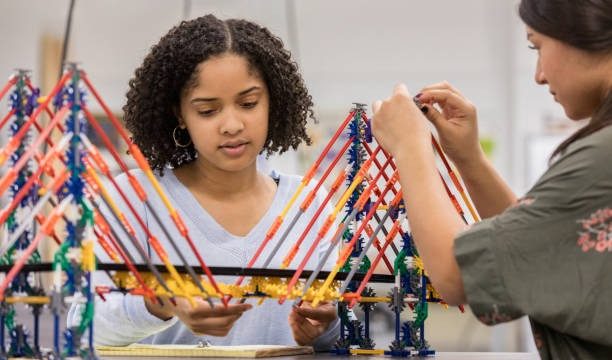
Incorporating real-world experiences into the curriculum can further enhance exploration. Field trips, guest speakers, and hands-on projects can provide students with opportunities to see concepts in action and understand their relevance. When students can connect what they learn in the classroom to the world outside, their curiosity often flourishes. For instance, a visit to a local science museum can ignite a passion for discovery in a way that textbooks alone may not achieve. Real-world experiences can make learning feel alive, sparking questions and inspiring deeper exploration.
Another gentle shift toward exploration can be achieved through the use of technology. In today’s digital age, there are countless resources available that can enhance the learning experience. Interactive simulations, educational games, and online research can provide students with tools to explore topics in depth. Technology can also facilitate collaboration among students, allowing them to work together on projects regardless of their physical location. By integrating these resources into the classroom, educators can create an engaging and dynamic learning environment that encourages curiosity and exploration.
Fostering a growth mindset is essential in promoting exploration. When students understand that intelligence and abilities can be developed through effort and persistence, they are more likely to embrace challenges and view setbacks as opportunities for growth. Educators can model this mindset by sharing their own experiences with failure and perseverance. Celebrating small victories and progress can also help students recognize their capabilities, making them more willing to explore new ideas and take risks in their learning journey.
Reflection is a powerful tool that can deepen the exploration process. Encouraging students to reflect on their learning experiences helps them make connections and develop insights. Journals, discussions, or creative projects can be excellent ways for students to articulate their thoughts and feelings about what they have learned. This practice not only enhances understanding but also encourages students to take ownership of their learning, making them more likely to explore topics that resonate with them personally.
As educators, it’s important to remember that exploration is a journey, not a destination. Each student is unique, and their paths to discovery may look different. By embracing a teaching approach that values exploration, educators can create a rich tapestry of learning experiences that nurture curiosity, creativity, and a lifelong love of learning.
In closing, the classroom can be a vibrant space where exploration thrives. By encouraging curiosity, creating a safe environment, integrating interdisciplinary learning, and utilizing technology, educators can inspire students to embark on their own journeys of discovery. As we cultivate a culture of exploration, we not only enrich the lives of our students but also contribute to a more innovative and thoughtful society. In this ever-changing world, the ability to explore, question, and think critically is more important than ever, reminding us all of the beauty of learning and the endless possibilities that lie ahead.