In a world that often feels rushed and chaotic, the desire for practical and relevant learning experiences has never been more crucial.
Whether you’re a teacher, a parent, or a lifelong learner, understanding how to make lessons practical can create connections that transform knowledge into meaningful action.
The beauty of learning lies not just in acquiring facts but in weaving those facts into the fabric of everyday life.
Finding the balance between theory and practice can be a gentle journey, one that invites curiosity and engagement. When lessons resonate with personal experiences, they become not just information but integral parts of our lives. Here, we’ll explore several ways to enhance the relevance of lessons and make them resonate more deeply.
A small shift toward balance begins with understanding your audience. Every learner comes with a unique background, shaped by their experiences, interests, and aspirations. Taking the time to know what excites and inspires your learners can make a significant difference. This could involve simple conversations or even surveys to gauge their interests. When lessons are tailored to reflect the learners’ realities, they become more meaningful.
Another essential aspect of practical learning is real-world application. It’s one thing to teach a concept in isolation and quite another to show how it plays out in the world. For example, when discussing mathematical concepts, you might relate them to budgeting for a small project or planning a trip. By illustrating how academic concepts apply to everyday situations, you bridge the gap between theory and practice. This connection not only fosters understanding but also empowers learners to see themselves as capable individuals who can apply their knowledge in real life.
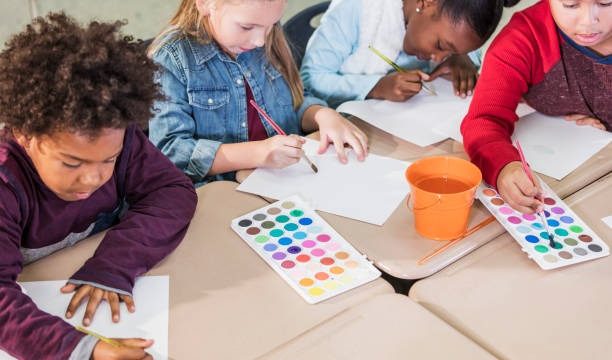
Additionally, incorporating hands-on experiences can significantly enhance the learning process. Activities that engage the senses and encourage participation make lessons memorable. Consider organizing field trips, workshops, or community service projects that align with your lesson objectives. These experiences allow learners to immerse themselves in the subject matter, making the learning process feel dynamic and alive. The joy of learning is often found in the doing, and when learners can touch, see, and experience what they’re studying, their understanding deepens.
Creating a safe space for exploration is also vital. Encouraging questions, discussions, and even mistakes can foster a culture of curiosity and innovation. When learners feel comfortable expressing themselves, they are more likely to engage with the material and think critically about it. This environment nurtures a sense of belonging and community, making lessons feel more relevant and supportive.
As we navigate the intricacies of practical learning, it’s important to embrace collaboration. Learning doesn’t have to be a solitary journey. By incorporating group work and peer-to-peer learning, you can cultivate an atmosphere of shared knowledge and experiences. Collaborative projects not only build teamwork skills but also allow learners to see diverse perspectives. This exchange of ideas can illuminate the relevance of a lesson in ways that individual study might not achieve.
The integration of technology can also play a pivotal role in making lessons practical and relevant. In today’s digital age, technology offers a wealth of resources that can enhance learning experiences. Whether it’s through online simulations, educational apps, or virtual field trips, technology can bring lessons to life in exciting ways. By leveraging these tools, you can create a more interactive and engaging learning environment that resonates with modern learners.
Moreover, connecting lessons to current events can be a powerful way to enhance relevance. Discussing contemporary issues helps learners understand the implications of their studies in the context of the world around them. For instance, exploring scientific concepts through the lens of climate change or examining historical events in relation to social justice can spark meaningful discussions. This approach not only keeps the material fresh but also encourages learners to think critically about their role in society.
As we reflect on the journey toward practical and relevant lessons, it’s essential to remember the importance of feedback. Creating avenues for learners to share their thoughts on the lessons can provide valuable insights into what resonates with them. This feedback loop is not only beneficial for refining your approach but also empowers learners to take ownership of their education. When they feel heard and valued, their engagement and motivation naturally increase.
Ultimately, making lessons practical and relevant is about nurturing connections. It’s about weaving knowledge into the everyday lives of learners, allowing them to see the beauty in what they are studying. When lessons resonate on a personal level, they spark curiosity and inspiration, creating a ripple effect that extends beyond the classroom or learning environment.
In this journey, patience and empathy are your allies. Each learner is on their own path, and understanding that path can lead to profound transformations. As you explore ways to make lessons more practical, remember that the goal is not just to impart knowledge but to inspire a lifelong love of learning.
By embracing these principles, we can create learning experiences that feel less like obligations and more like adventures. In doing so, we encourage a generation of learners who are not only knowledgeable but also equipped to navigate the complexities of life with confidence and purpose.