In today’s fast-paced world, classrooms are evolving into vibrant spaces where students not only absorb knowledge but also develop essential skills for life.
The traditional focus on rote memorization is giving way to interactive and engaging activities that foster creativity, collaboration, and critical thinking.
As educators seek to equip students with the tools they need to thrive, a variety of classroom activities are emerging that help build new skills in a nurturing and enjoyable way.
Creating a sense of community
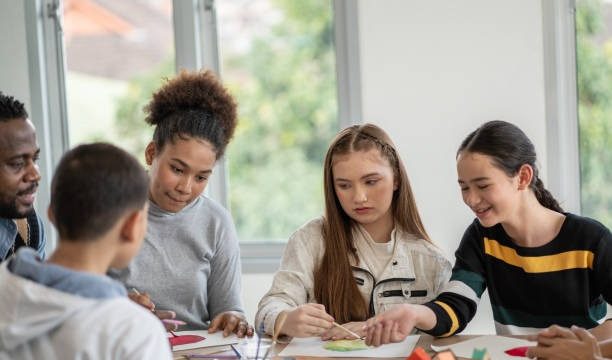
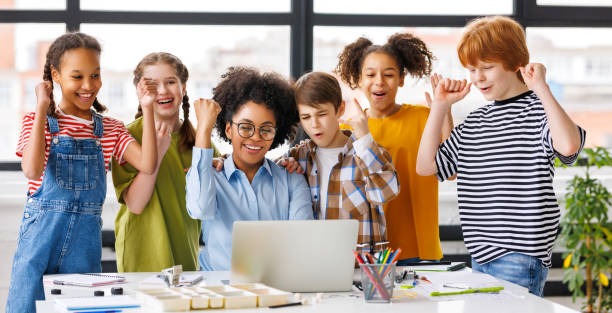
One of the simplest yet most effective ways to help students develop new skills is by fostering a sense of community within the classroom. Activities that encourage teamwork can significantly enhance interpersonal skills. Group projects, for instance, allow students to collaborate, share ideas, and learn to communicate effectively. As they work together towards a common goal, they not only build friendships but also develop essential skills like negotiation, conflict resolution, and leadership.
Engaging in role-playing can also be a wonderful way to create a sense of community. By stepping into different characters or scenarios, students gain empathy and understanding of diverse perspectives. This not only enhances their social skills but also encourages emotional intelligence, which is vital in today’s interconnected world.
Nurturing creativity through the arts
Integrating arts into the curriculum is another delightful avenue for skill-building. Creative activities such as painting, drama, or music can ignite passion and allow students to express themselves in unique ways. When students engage in artistic endeavors, they tap into their imagination, which fosters innovation and problem-solving skills.
Art projects can also provide a wonderful platform for collaboration. When students work together on a mural or a skit, they learn to respect each other’s ideas and contributions. This collaborative spirit enhances their ability to work in teams, a skill that is invaluable in both academic and professional settings.
Cultivating critical thinking through inquiry
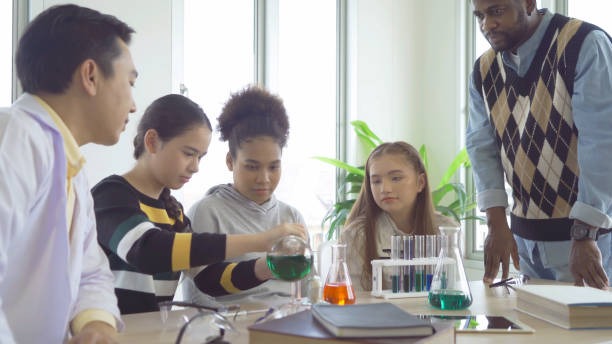
Inquiry-based learning is an approach that encourages students to ask questions, explore, and investigate. By posing open-ended questions and allowing students to seek answers through research and discussion, educators nurture critical thinking skills. This method empowers students to take charge of their learning, fostering independence and a sense of responsibility.
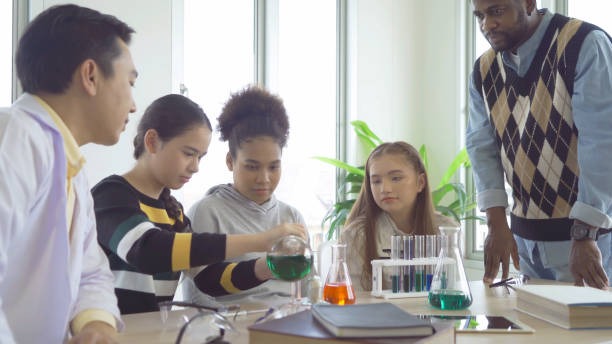
Incorporating science experiments or social studies projects where students can hypothesize and draw conclusions not only makes learning engaging but also enhances their analytical skills. They learn to evaluate information, think logically, and make informed decisions—skills that are essential in navigating the complexities of modern life.
Encouraging physical activity and well-being
Physical activity is often overlooked as a skill-building opportunity, yet it plays a crucial role in overall development. Engaging students in activities like yoga, dance, or team sports can significantly enhance their physical health while also promoting teamwork and discipline. When students participate in physical activities, they develop resilience and learn to cope with challenges, which are vital life skills.
Moreover, physical activities can be intertwined with lessons on nutrition and wellness, leading to a holistic approach to education. By understanding the importance of a healthy lifestyle, students learn to make better choices, which can positively impact their academic performance and personal well-being.
Fostering a growth mindset
Incorporating activities that promote a growth mindset can have a profound effect on students’ approach to learning. When students are encouraged to embrace challenges and view failures as opportunities for growth, they develop resilience and perseverance. Activities such as journaling about their learning experiences or discussing famous figures who overcame obstacles can inspire students to adopt this mindset.
Creating a classroom environment that celebrates effort rather than just achievement helps students understand that learning is a journey. They begin to appreciate the process and become more willing to take risks, ultimately leading to a more profound understanding of the content and themselves.
Exploring technology as a tool for learning
In our digital age, integrating technology into the classroom is essential for skill development. Students can explore coding, digital storytelling, or multimedia presentations, which not only enhance their technical skills but also encourage creativity and collaboration. By working on digital projects, students learn to communicate their ideas effectively and engage with their peers in new ways.
Furthermore, technology can facilitate access to a wealth of resources and information, allowing students to broaden their horizons and learn about topics that interest them. This independence in learning fosters curiosity and motivates them to explore subjects beyond the traditional curriculum.
Building resilience through challenges
Introducing challenges in a supportive environment can be a powerful way to build resilience in students. Activities that require problem-solving, such as escape room challenges or design thinking projects, encourage students to think critically and creatively. They learn to approach problems from different angles and collaborate with their peers to find solutions.
When students encounter obstacles, they develop coping strategies and learn the importance of perseverance. This resilience will serve them well not only in their academic endeavors but also in their personal lives as they face various challenges.
Encouraging reflection and self-assessment
Finally, incorporating reflection and self-assessment into classroom activities allows students to take ownership of their learning journey. By encouraging them to think critically about their experiences, students develop metacognitive skills that enhance their understanding of their strengths and areas for improvement.
Activities such as peer feedback sessions or personal reflection journals can provide valuable insights into their learning process. This practice fosters a sense of accountability and encourages continuous growth, enabling students to become lifelong learners.
In conclusion, the classroom is a dynamic environment where students can build essential skills that extend far beyond academic knowledge. Through community-building activities, creative expression, inquiry-based learning, physical engagement, and technology integration, students develop a rich tapestry of skills that prepare them for the future. As educators embrace these innovative approaches, they nurture not only knowledgeable individuals but also well-rounded, resilient citizens ready to take on the world.