In today’s diverse educational landscape, understanding that each learner is unique is more important than ever.
Different learning styles can shape how individuals absorb, process, and retain information.
Whether you’re a parent, educator, or lifelong learner, recognizing these styles can enhance the way educational resources are utilized. This article explores how to harmonize educational resources with various learning styles, fostering a richer and more effective learning experience.
Embracing the spectrum of learning styles begins with a gentle acknowledgment of the different ways people engage with information. Some individuals may lean toward a visual approach, finding meaning in diagrams, illustrations, and videos. Others might resonate more with auditory methods, thriving in environments where they can listen to discussions or audio recordings. Then there are the kinesthetic learners, who grasp concepts best through hands-on activities and real-world experiences. Understanding these distinctions can empower you to curate resources that truly resonate with each learner’s preferences.
A small shift toward balance can begin with the resources you choose to incorporate into your learning environment. For visual learners, incorporating colorful charts, infographics, and videos can transform abstract concepts into tangible ideas. Imagine a science lesson that comes alive through a captivating video or an art project that encourages students to express their understanding visually. These tools not only cater to visual preferences but also make learning more engaging and enjoyable.
For auditory learners, the world of podcasts and audiobooks opens up endless possibilities. Imagine a student who thrives on listening to stories or lectures while taking notes. By integrating discussion-based learning and collaborative group work, you can create an environment that encourages dialogue and the sharing of ideas. This approach not only supports auditory learners but also enriches the overall classroom experience, fostering a sense of community and connection.
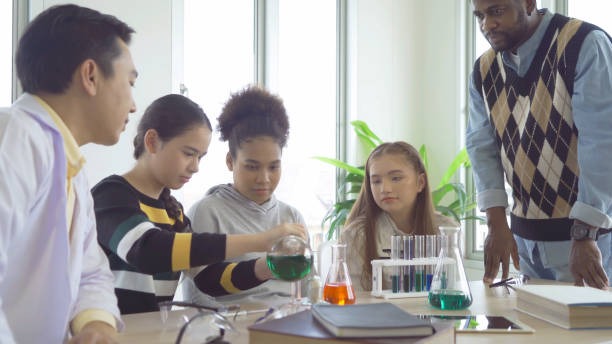
Kinesthetic learners often require a more hands-on approach to fully grasp new concepts. Incorporating movement into lessons can be a game-changer. Think about using role-playing activities in history lessons or conducting science experiments that require active participation. These experiences allow learners to engage with material on a deeper level, making it easier for them to remember and apply what they’ve learned. By creating a dynamic learning environment, you help kinesthetic learners thrive while enriching the experience for everyone involved.
It’s also essential to consider the role of technology in accommodating different learning styles. Online platforms often provide a treasure trove of resources that cater to various preferences. Interactive simulations, virtual reality experiences, and educational games can be particularly effective in reaching those who may struggle with traditional learning methods. By incorporating technology thoughtfully, you can create a more inclusive learning environment that embraces the unique strengths of each learner.
Creating a supportive atmosphere where all learners feel valued is crucial. Encouraging students to express their preferred learning styles can foster a sense of agency and ownership over their educational journey. When students feel comfortable sharing their preferences, it opens the door for collaboration and exploration. Facilitating discussions about learning styles can also help students appreciate the diverse perspectives of their peers, leading to a richer understanding of the material.
As you navigate the world of educational resources, it’s beneficial to embrace a flexible mindset. Experimenting with different approaches can yield surprising results. Perhaps a student who typically struggles with reading comprehension flourishes when presented with graphic novels instead of traditional texts. Or maybe a visual learner discovers a newfound passion for storytelling through podcasts. By remaining open to new possibilities, you can uncover the most effective ways to support each learner’s journey.
Incorporating a variety of resources not only benefits individual learners but also promotes a culture of inclusivity. When students see their peers engaging with material in diverse ways, it encourages them to explore their own preferences and strengths. This collective exploration can lead to collaborative projects that draw on the unique talents of each student, fostering a sense of unity and shared purpose.
As educators and caregivers, it’s vital to remain attuned to the evolving needs of learners. Regularly assessing and reflecting on the effectiveness of the resources being used can help you make informed adjustments. Gathering feedback from students about what works and what doesn’t can create a more responsive learning environment. This ongoing dialogue can illuminate areas where additional support may be needed, ensuring that every learner feels empowered to thrive.
Ultimately, the goal of making educational resources work for different learning styles is to cultivate a love for learning that transcends traditional boundaries. By embracing the diversity of learning preferences, you create a space where curiosity flourishes and knowledge is shared. This journey is not just about academic achievement; it is about nurturing a lifelong passion for discovery and understanding.
In closing, remember that the beauty of education lies in its ability to adapt and grow alongside the learners it serves. By thoughtfully integrating resources that cater to various learning styles, you can create a harmonious environment where each individual can shine. Embrace the uniqueness of every learner, and watch as they flourish in a space that celebrates their distinct paths to knowledge.