In the ever-evolving landscape of education, the role of resources in shaping student engagement cannot be overstated.
With the rise of digital technology, educational tools have transformed not just the way information is presented but also how students connect with their learning experiences.
This shift has created an environment ripe for exploration, creativity, and deeper understanding, ultimately leading to more engaged learners.
A gentle shift toward connection
At the heart of student engagement lies a desire to connect with the material being learned. Traditional educational resources, such as textbooks and lectures, have served their purpose over the years, but often they fail to ignite that spark of curiosity. When we introduce diverse educational resources—like interactive platforms, multimedia content, and hands-on activities—students can relate more personally to what they’re studying. This connection fosters a sense of ownership over their learning journey.
For instance, consider a history lesson that relies solely on a textbook. While it provides essential information, it may not resonate with every student. In contrast, incorporating videos, virtual reality experiences, or even interactive timelines can transport students to different eras, allowing them to engage with historical events on a much deeper level. This multifaceted approach transforms passive learning into an active exploration, encouraging students to ask questions, share insights, and participate in discussions.
Creating a sense of belonging
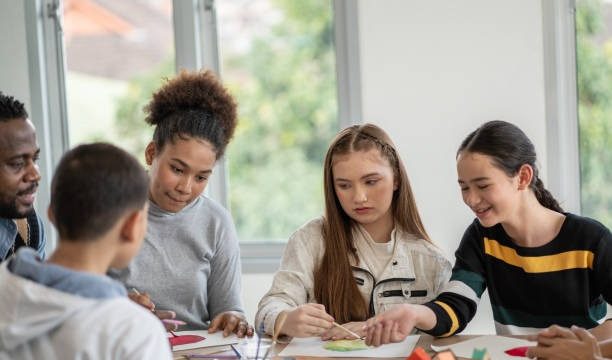
Another vital aspect of student engagement is the sense of belonging within the educational environment. When students feel valued and recognized, they are more likely to invest their energy into their studies. Educational resources that promote collaboration and community can significantly enhance this sense of belonging. Group projects, discussion forums, and peer reviews can create an atmosphere where students feel supported and encouraged to express themselves.
Moreover, resources that reflect diverse cultures and perspectives can foster inclusivity. When students see themselves represented in the materials they engage with, it cultivates a deeper connection to their learning. This representation not only enhances engagement but also enriches the educational experience for all students, creating a more vibrant and dynamic classroom environment.
The power of choice
Empowering students with choices in their educational resources can lead to a remarkable increase in engagement. When students have the agency to select what they learn and how they learn it, they are more likely to be invested in the outcome. Offering a variety of resources—such as articles, videos, podcasts, or hands-on projects—allows students to pursue their interests and learn in ways that resonate with them personally.
This approach not only enhances engagement but also nurtures critical thinking and problem-solving skills. By navigating through different resources, students learn to evaluate information, discern credible sources, and develop their unique perspectives. This empowerment is crucial in preparing them for a world that values adaptability and innovation.
Embracing technology with intention
In the digital age, technology plays a pivotal role in educational resources. While it can sometimes feel overwhelming, when used thoughtfully, technology can be a powerful ally in fostering student engagement. Online platforms that offer interactive lessons, gamified learning experiences, and real-time feedback can transform traditional education into an engaging journey.
However, it’s essential to strike a balance. Technology should enhance, not overshadow, the human connection that is vital in education. Teachers can leverage technology to create blended learning environments, where face-to-face interactions are complemented by digital resources. This harmonious blend allows for personalized learning experiences while maintaining the essential support and guidance that educators provide.
Fostering curiosity through exploration
Curiosity is the driving force behind engagement. When students are encouraged to explore, ask questions, and seek answers, their enthusiasm for learning flourishes. Educational resources that promote inquiry-based learning can play a significant role in this process. By presenting challenges, real-world problems, or open-ended questions, educators can inspire students to dive deeper into subjects.
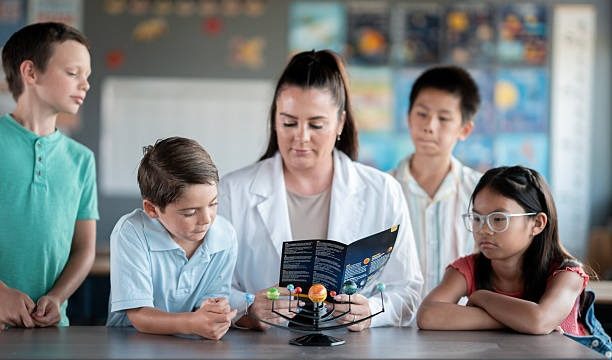
For example, instead of merely memorizing scientific facts, students can be presented with a real-world environmental issue. This approach encourages them to research, collaborate, and develop solutions, transforming them into active participants in their education. The thrill of discovery and the joy of finding solutions can be incredibly motivating, leading to sustained engagement.
Nurturing a growth mindset
The impact of educational resources on student engagement also extends to the development of a growth mindset. When resources are designed to encourage resilience and perseverance, students learn that challenges are opportunities for growth rather than obstacles to success. Incorporating resources that highlight stories of individuals who overcame difficulties can inspire students to embrace their own challenges with confidence.
Additionally, providing constructive feedback through various resources can help students understand that learning is a journey. When they receive encouragement and guidance, they are more likely to remain engaged and motivated, knowing that their efforts are recognized and valued.
A holistic approach to learning
Ultimately, the impact of educational resources on student engagement goes beyond academic achievement. It encompasses social, emotional, and cognitive development. A well-rounded educational experience nurtures not only knowledge but also essential life skills such as collaboration, communication, and critical thinking.
By integrating a variety of resources that address these different facets of learning, educators can create a more engaging and enriching environment. This holistic approach acknowledges that students are not just vessels for knowledge but individuals with unique experiences, emotions, and aspirations.
In conclusion, the impact of educational resources on student engagement is profound and multifaceted. By fostering connections, promoting inclusivity, providing choices, embracing technology, nurturing curiosity, and encouraging a growth mindset, we can create learning environments that inspire students to engage deeply with their education. As we continue to explore new resources and approaches, let us remember that the ultimate goal is to cultivate lifelong learners who are excited about the journey of discovery and growth.