In the ever-evolving landscape of education, aligning lab manuals with curriculum goals is a task that requires thoughtful consideration and a touch of creativity.
The intersection of hands-on learning and theoretical knowledge can sometimes feel like a delicate dance, but with a few mindful strategies, educators can enhance the learning experience for students.
This journey toward alignment can not only elevate educational standards but also foster a deeper connection between students and the material they study.
One of the first steps in this alignment process is to take a closer look at the curriculum goals themselves. Understanding the core objectives of the curriculum provides a strong foundation for developing relevant lab activities. These goals often encompass critical thinking, problem-solving, and the application of scientific principles. By keeping these objectives at the forefront, educators can ensure that lab manuals are not just a series of experiments, but a cohesive part of the overall educational experience.
As you delve into the specifics of the lab manual, consider the importance of context. Each experiment should serve a purpose beyond mere execution; it should connect with the broader themes and concepts outlined in the curriculum. For instance, if the curriculum emphasizes environmental science, integrating experiments that explore ecosystems or sustainability can create a rich learning environment. This connection not only reinforces theoretical knowledge but also ignites students’ curiosity and passion for the subject.
A small shift toward balance can also make a world of difference. While it’s essential to include a variety of experiments, it’s equally important to consider the skill levels and interests of the students. Tailoring lab activities to accommodate different learning styles can enhance engagement and comprehension. This might mean providing options for more hands-on experiments for kinesthetic learners or offering opportunities for independent research for those who thrive in a more self-directed environment. By fostering a sense of choice and agency, educators can create an inclusive atmosphere where every student feels valued.
Incorporating real-world applications is another powerful way to align lab manuals with curriculum goals. Students often find their learning more meaningful when they can see how it applies to the world around them. By including case studies, current events, or even local environmental issues in lab activities, educators can bridge the gap between theoretical knowledge and practical application. This not only enriches the learning experience but also encourages students to think critically about the implications of their studies.
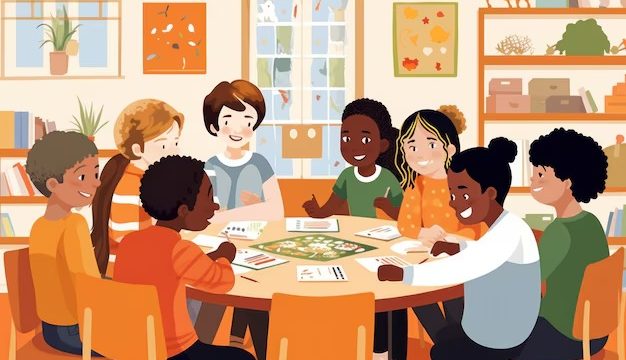
Collaboration is a natural part of the learning process, and it can also play a crucial role in aligning lab manuals with curriculum goals. Encouraging teamwork in lab settings allows students to share ideas, challenge one another, and develop valuable interpersonal skills. Incorporating group projects or peer reviews into lab activities can enhance this collaborative spirit. Not only does this align with curriculum goals that emphasize communication and teamwork, but it also mirrors real-world scenarios where collaboration is often essential.
As we explore the nuances of alignment, it’s important to remember the role of reflection. Incorporating opportunities for students to reflect on their learning experiences can deepen their understanding and connection to the material. After completing an experiment, guiding students to discuss what they learned, the challenges they faced, and how it relates to the curriculum can foster a richer learning environment. This reflective practice not only reinforces key concepts but also encourages students to take ownership of their educational journey.
Equipping educators with the right resources is also a fundamental aspect of creating aligned lab manuals. Providing access to professional development opportunities allows teachers to stay informed about best practices and innovative teaching strategies. This ongoing support can empower educators to continually refine their lab manuals, ensuring they remain relevant and effective in meeting curriculum goals. An investment in teacher training ultimately translates into a more impactful learning experience for students.
The role of technology in education cannot be overlooked, especially when it comes to aligning lab manuals with curriculum goals. Integrating digital tools and resources can enhance the learning experience, making it more interactive and engaging. Virtual labs, simulations, and online resources can complement traditional hands-on experiments, offering students a well-rounded approach to learning. By embracing technology, educators can create a dynamic environment that appeals to a diverse range of learners.
As we consider the journey of aligning lab manuals with curriculum goals, it’s essential to foster a culture of feedback. Encouraging students to share their thoughts and experiences can provide invaluable insights into the effectiveness of the lab activities. This feedback loop allows educators to continuously improve their manuals, ensuring they remain responsive to the needs and interests of their students. It’s a collaborative effort that enriches the educational experience for everyone involved.
Ultimately, the alignment of lab manuals with curriculum goals is about more than just meeting educational standards; it’s about creating a meaningful and engaging learning experience. By thoughtfully considering curriculum objectives, integrating real-world applications, and fostering collaboration and reflection, educators can craft lab manuals that inspire and empower students. As we navigate this journey, let’s remember that each small step toward alignment contributes to a more vibrant and enriching educational landscape, one where students can thrive and discover their passions.
In this delicate balance of theory and practice, we can cultivate not only knowledgeable students but also curious and engaged individuals ready to explore the world around them.