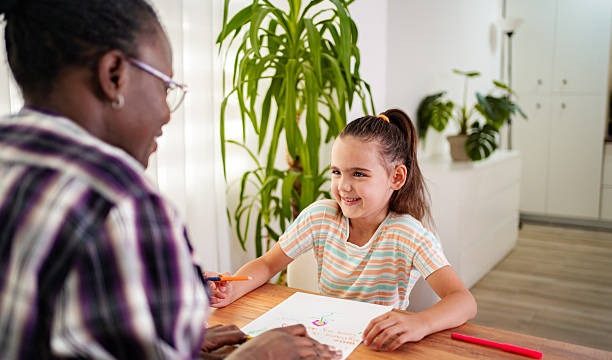
Clear communication is the cornerstone of a thriving classroom environment.
It fosters understanding, builds relationships, and promotes collaboration among students.
Yet, in a world filled with distractions and diverse communication styles, encouraging clarity can sometimes feel like a daunting task. However, with the right activities, educators can create an atmosphere where students feel confident and empowered to express themselves. Here are some engaging classroom activities that can help nurture clear communication skills.
A gentle introduction to dialogue
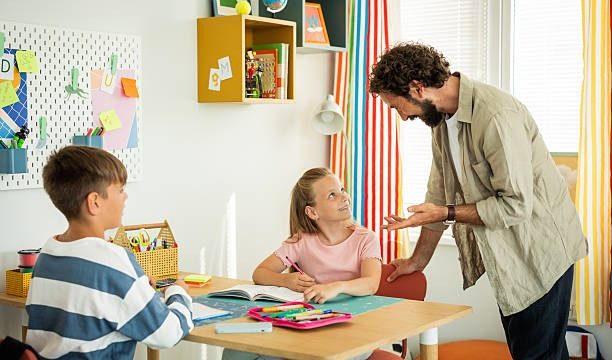
One of the simplest yet most effective ways to enhance communication is through dialogue practice. Pairing students up for focused conversations can be a powerful tool. Start by giving each pair a topic to discuss, perhaps something related to their curriculum or a current event. Encourage them to take turns speaking and actively listening. This not only helps students articulate their thoughts but also teaches them the importance of listening—a key component of effective communication.
To make this exercise even more engaging, consider introducing a ‘talking stick’ or another object that signifies the speaker. Only the person holding the object is allowed to speak, which encourages students to listen attentively without interrupting. This small shift can create a respectful dialogue where ideas are shared openly, fostering a sense of community in the classroom.
Storytelling as a bridge
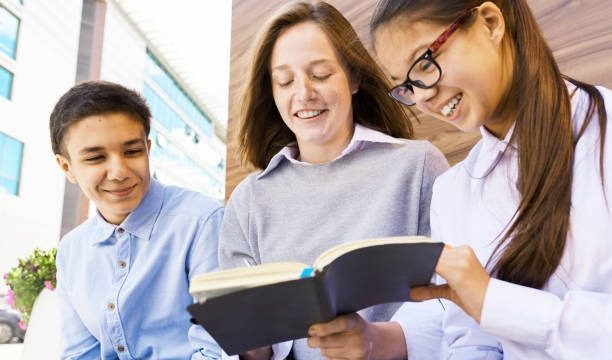
Storytelling is a timeless activity that naturally enhances communication skills. It allows students to express themselves creatively while also honing their ability to convey messages clearly. Invite students to share personal stories or tales they’ve created. This can be done in small groups or as a class, depending on the comfort level of the students.
Encourage them to focus on the elements of storytelling—setting, characters, conflict, and resolution. By structuring their narratives, students learn how to organize their thoughts and present them coherently. Additionally, this exercise cultivates empathy, as students listen to each other’s experiences and perspectives, deepening their understanding of one another.
The art of role-playing
Role-playing is another dynamic way to foster communication. By stepping into different characters or scenarios, students can practice articulating their thoughts and feelings in various contexts. For instance, they could simulate a job interview, a debate on a relevant topic, or even a negotiation between two parties.
This activity not only encourages clear expression but also helps students develop critical thinking skills. They learn to anticipate questions, respond thoughtfully, and communicate their ideas effectively. Moreover, the playful aspect of role-playing can ease anxiety around public speaking, making it a supportive environment for students to practice their skills.
Creating collaborative projects
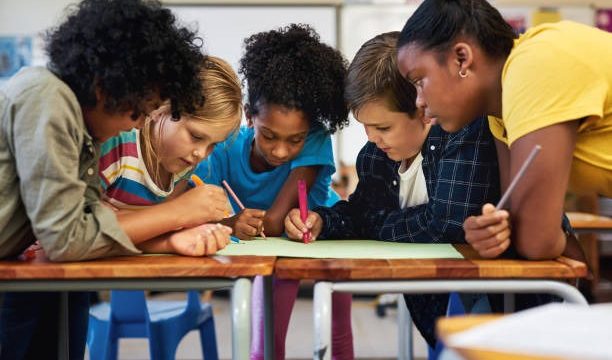
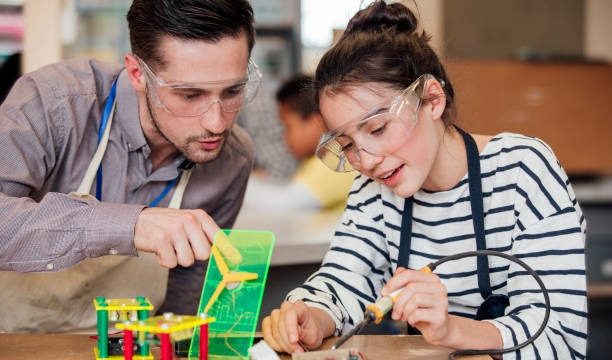
Collaboration is at the heart of effective communication. Group projects are an excellent way to teach students how to express their ideas clearly while working toward a common goal. When students come together to create something—be it a presentation, a piece of art, or a research project—they must communicate their thoughts and contributions clearly.
To enhance this experience, consider assigning specific roles within each group. This allows students to take ownership of their part while also relying on their peers for support. Encourage them to check in with each other regularly to discuss their progress and share feedback. This not only cultivates a culture of open communication but also teaches students how to give and receive constructive criticism.
Mindful listening exercises
In a world filled with noise, practicing mindful listening can be a transformative experience. Incorporating mindfulness activities into the classroom can help students focus on the present moment, making them more attuned to the conversations happening around them.
One simple exercise involves having students close their eyes and listen to a short story or a piece of music. Afterward, they can share what they heard or felt during the experience. This practice encourages them to articulate their thoughts clearly and helps them appreciate the nuances of communication. Over time, students will develop a greater awareness of how they express themselves and how they receive information from others.
Feedback loops for growth
Creating a culture of feedback is essential for nurturing clear communication. Encourage students to regularly share their thoughts on each other’s work in a supportive manner. This can be done through peer reviews, where they provide constructive comments on each other’s presentations, essays, or projects.
To ensure this process is beneficial, teach students how to give feedback effectively. They can use the “sandwich” method—starting with a positive comment, followed by suggestions for improvement, and ending with another positive note. This approach not only reinforces clear communication but also fosters a sense of belonging and support within the classroom.
Celebrating diversity in communication styles
Every student brings a unique background and communication style to the classroom. Recognizing and celebrating these differences can enrich the learning experience for everyone. Create opportunities for students to share their cultural perspectives or communication traditions, whether through presentations, discussions, or creative projects.
By embracing diversity, students will learn to appreciate various ways of expressing thoughts and feelings. This understanding can help them adapt their communication styles to connect with peers from different backgrounds, fostering empathy and inclusivity in the classroom.
A journey toward clarity
Encouraging clear communication in the classroom is not merely about teaching skills; it’s about creating an environment where students feel safe to express themselves. Through dialogue, storytelling, role-playing, collaboration, mindful listening, feedback, and celebrating diversity, educators can guide students on their journey toward clarity.
As students practice these activities, they not only improve their communication skills but also build meaningful relationships with their peers. In doing so, they create a supportive network that values open expression and understanding. Ultimately, these skills will serve them well beyond the classroom, preparing them for a future where clear communication is essential.