Creating an engaging classroom environment where students can thrive involves more than just delivering lessons.
It requires thoughtful activities that reinforce essential skills while also fostering a sense of community and belonging.
With this in mind, let’s explore some classroom activities that not only enhance learning but also bring joy and connection to the classroom experience.
A nurturing space for collaboration
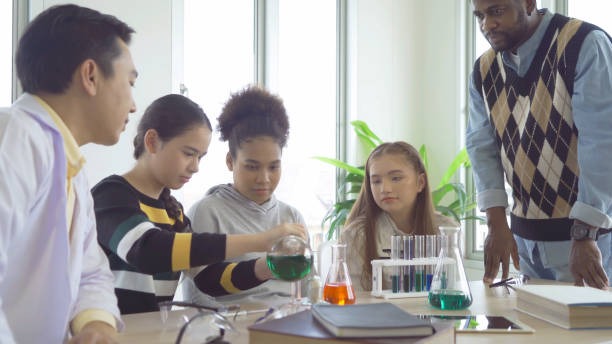
One of the most effective ways to reinforce classroom skills is through collaborative activities. Group projects encourage students to communicate, share ideas, and work towards a common goal. Whether they are building a presentation, conducting research, or creating a piece of art together, these projects help students develop critical thinking and problem-solving skills.
To create a nurturing space for collaboration, consider incorporating activities that allow for diverse group dynamics. For example, you might organize a “think-pair-share” session where students first reflect on a question individually, then discuss their thoughts with a partner before sharing with the larger group. This not only builds confidence in speaking but also fosters a deeper understanding of the material as students hear different perspectives.
The joy of storytelling
Storytelling is a timeless activity that nurtures creativity while reinforcing language skills. Whether students are sharing personal anecdotes or crafting fictional tales, storytelling allows them to practice articulation and expression. You might create a “story circle” where each student contributes a sentence or two to build a collaborative story. This not only enhances their narrative skills but also encourages active listening and respect for others’ contributions.
Storytelling can also be tied to various subjects, making it a versatile tool in the classroom. For instance, students could recount historical events or explain scientific concepts in a narrative format. This approach makes learning more relatable and memorable, helping students connect with the material on a personal level.
A touch of the outdoors
Nature has a remarkable ability to refresh the mind and enhance learning. Incorporating outdoor activities into your classroom routine can provide a welcome change of scenery while reinforcing essential skills. Organizing a nature walk, for example, could serve as a springboard for lessons in science, art, or even mathematics.
Encourage students to observe their surroundings, collect natural materials, or engage in discussions about the ecosystem. This hands-on experience not only makes learning more dynamic but also fosters a sense of wonder and curiosity about the world. By connecting lessons to the environment, students can better appreciate the relevance of their studies.
Mindfulness in motion
In today’s fast-paced world, incorporating mindfulness into the classroom can be a game-changer. Activities that promote mindfulness not only help students manage stress but also enhance focus and concentration. Simple practices like guided breathing exercises or short meditation sessions can create a calm atmosphere that supports learning.
You might also consider integrating movement into your mindfulness practice. Activities like yoga or gentle stretching can help students release tension and refocus their energy. Creating a designated “mindfulness corner” in the classroom, equipped with calming visuals and resources, can provide a space for students to retreat when they need a moment of grounding.
Exploring the arts
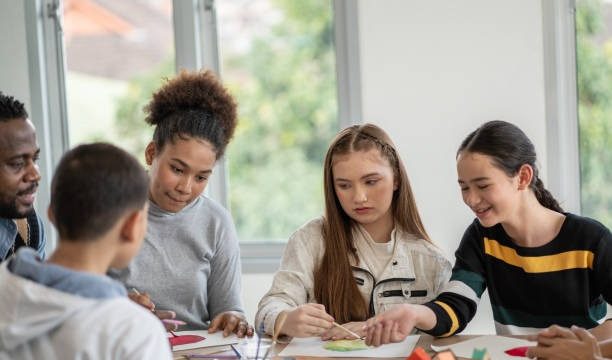
Artistic expression is a powerful way to reinforce classroom skills while allowing students to explore their creativity. Incorporating art into lessons can help students engage with the material in a unique way. For instance, you might invite students to create visual representations of concepts they are studying, whether through painting, drawing, or digital art.
Art projects can also promote collaboration and communication. Group mural projects or collaborative performances encourage students to work together while expressing their individual ideas. This not only enhances their artistic skills but also strengthens their ability to collaborate and appreciate diverse perspectives.
Connecting with the community
Engaging with the community can significantly enhance the learning experience for students. Activities that involve community service or partnerships with local organizations can foster a sense of responsibility and empathy in students. Consider organizing a project that addresses a local need, such as a food drive or a community clean-up, which allows students to apply their skills in real-world contexts.
These experiences not only teach valuable lessons about civic engagement but also allow students to see the impact of their actions. By connecting classroom learning to the broader community, students can gain a more profound understanding of their role in society.
Fostering a positive classroom culture
The foundation of effective learning lies in a positive classroom culture. Activities that promote respect, kindness, and inclusivity can significantly enhance students’ social and emotional skills. Consider implementing regular class meetings where students can discuss their feelings, share concerns, or celebrate achievements. This practice fosters open communication and builds a supportive classroom environment.
Incorporating gratitude practices, such as sharing what they appreciate about one another, can also strengthen relationships among students. These activities help cultivate a sense of belonging and encourage students to support one another, which is essential for their overall well-being.
Encouraging inquiry and exploration
Finally, nurturing a spirit of inquiry is vital for reinforcing classroom skills. Activities that encourage students to ask questions, explore, and investigate can lead to deeper learning. Consider setting up inquiry-based projects where students can choose a topic of interest to research and present their findings to the class.
This approach not only develops research and presentation skills but also encourages critical thinking and curiosity. By allowing students to take ownership of their learning, you empower them to become active participants in their educational journey.
Incorporating a variety of activities that reinforce classroom skills can create a dynamic and enriching learning environment. By fostering collaboration, creativity, and community engagement, you can help students develop essential skills while also nurturing their emotional and social well-being. Each activity contributes to a holistic approach to education, ensuring that students leave the classroom not only with knowledge but also with a sense of connection and purpose.