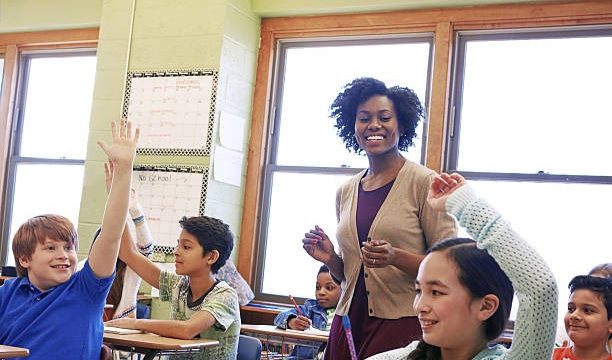
Creating a classroom environment that fosters positive participation can transform the learning experience for both students and teachers.
When students feel engaged and valued, their confidence grows, leading to deeper learning and more meaningful interactions.
Here, we explore a variety of classroom activities designed to encourage participation in a gentle, enjoyable manner.
A welcoming atmosphere can make a world of difference. One effective approach is to begin each class with a brief sharing session. This could involve students discussing something positive that happened to them recently, or sharing a thought related to the day’s lesson. Such activities not only set a warm tone for the class but also help students feel connected to one another. The simple act of sharing personal experiences cultivates a sense of community, making students more comfortable participating in discussions.
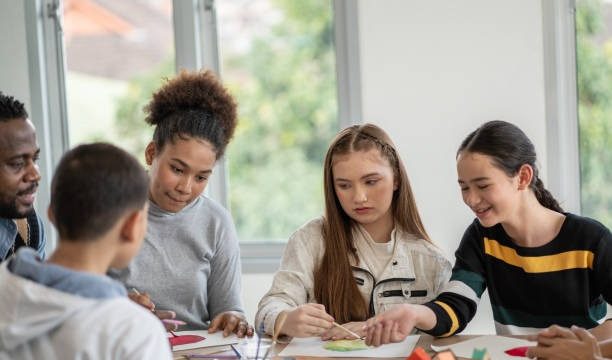
Encouraging creative expression is another wonderful way to promote active involvement. Consider incorporating art into your lessons. For instance, if you’re discussing a historical event, students could create a visual representation of the key moments. This could be a drawing, a collage, or even a digital project. By allowing students to express their understanding through art, you invite them to engage with the material in a unique way. This not only enhances their learning but also gives them a sense of ownership over their education.
A small shift toward balance can also be achieved through collaborative projects. Group work encourages students to communicate, share ideas, and learn from one another. When students work together, they often feel more accountable to their peers, which can motivate them to participate actively. Assigning roles within the group can help ensure that everyone contributes, allowing quieter students to shine in their own way. This collaborative spirit not only enriches the learning experience but also fosters important social skills.
Incorporating movement into classroom activities can be a game-changer. Simple transitions, such as standing up to discuss a topic or moving to different stations for various tasks, can invigorate the classroom atmosphere. Movement helps to break the monotony of sitting at desks and can stimulate both body and mind. Activities like “Think-Pair-Share,” where students first think about a question, then discuss it with a partner, and finally share with the class, can effectively encourage participation while keeping energy levels high.
Creating a safe space for questions is essential in promoting positive participation. Encouraging students to ask questions without fear of judgment can lead to a more dynamic classroom environment. One way to do this is by implementing a “question box” where students can anonymously submit questions. This allows those who may be shy or uncertain to voice their thoughts and encourages others to think critically about the subject matter. By validating their inquiries, you demonstrate that every question is valuable, fostering a culture of curiosity.
Storytelling can also serve as a powerful tool in the classroom. Sharing personal stories or anecdotes related to the lesson can help students feel more connected to the material. When they see the human side of learning, they may feel inspired to share their own stories or insights. This not only enriches the classroom discussion but also helps students relate to the content on a personal level.
Another gentle way to encourage participation is through role-playing activities. This method allows students to step into different characters or scenarios, which can be both educational and entertaining. Whether it’s simulating a historical event or exploring a literary character’s perspective, role-playing invites students to engage with the material in a hands-on manner. It can also spark lively discussions and encourage students to express their thoughts and feelings in a safe environment.
Integrating technology in thoughtful ways can also enhance participation. Utilizing educational apps or platforms that allow for interactive learning can engage students who may be more hesitant to speak up in a traditional classroom setting. For example, online discussion boards or collaborative documents enable students to contribute their thoughts at their own pace. This can be particularly helpful for those who may need a little extra time to formulate their ideas before sharing them with the group.
Fostering a growth mindset is crucial in encouraging active participation. Reminding students that making mistakes is a natural part of the learning process can help alleviate the fear of failure. Celebrate effort and improvement rather than just the end result. When students understand that participation is about growth and learning rather than perfection, they may feel more inclined to take risks and share their thoughts openly.
Incorporating mindfulness practices into the classroom can also cultivate a sense of calm and focus. Simple breathing exercises or moments of reflection can help students center themselves before engaging in discussions. When students feel grounded, they may be more present and willing to participate. This practice not only benefits their academic performance but also contributes to their overall well-being.
Lastly, it’s essential to regularly check in with students about their learning experiences. Gathering feedback on activities, discussions, and overall classroom dynamics can provide valuable insights into what works and what might need adjustment. This not only empowers students by giving them a voice in their education but also shows that their opinions are respected and valued.
In conclusion, creating a classroom environment that encourages positive participation is a multifaceted endeavor. By incorporating a variety of activities that promote sharing, creativity, collaboration, and mindfulness, educators can foster a sense of community and engagement. In doing so, they help students feel empowered to express themselves, take risks, and truly enjoy their learning journey. Ultimately, when students feel valued and connected, the classroom transforms into a vibrant space for exploration and growth.