In today’s fast-paced world, the ability to solve problems effectively is an invaluable skill.
Whether in the workplace, at home, or in social situations, being able to think critically and navigate challenges can lead to a more fulfilling life.
As educators, it’s essential to cultivate these problem-solving skills in our students. Let’s explore some thoughtful teaching approaches that can nurture this vital ability.
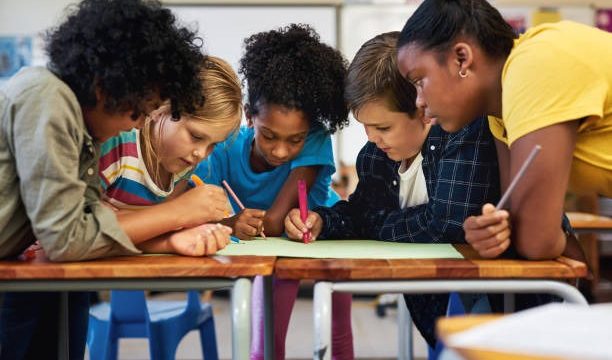
Creating a nurturing environment is a fundamental step in fostering problem-solving skills. When students feel safe and valued, they are more likely to take risks and engage in critical thinking. This environment can be achieved through open communication, where students are encouraged to express their thoughts and ideas without fear of judgment. By promoting a culture of respect and collaboration, educators can inspire students to share their perspectives and learn from one another.
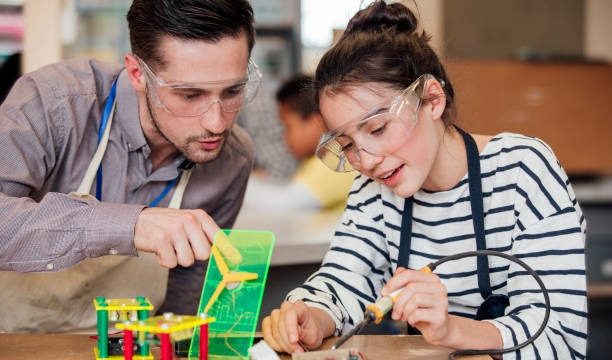
One effective teaching approach is project-based learning. This method allows students to engage in real-world problems and encourages them to explore solutions actively. By working on projects that have tangible outcomes, students can connect their learning to their lives outside the classroom. This connection not only enhances engagement but also develops their ability to analyze situations critically. When students collaborate on projects, they learn to communicate effectively, delegate tasks, and think creatively, all of which are essential components of problem-solving.
Another approach that can be beneficial is inquiry-based learning. This method encourages students to ask questions and seek answers through exploration and research. By guiding students to formulate their inquiries, educators help them develop a sense of ownership over their learning. This process naturally cultivates critical thinking skills, as students must evaluate information, consider various perspectives, and draw conclusions based on evidence. Inquiry-based learning not only develops problem-solving abilities but also fosters a lifelong love of learning.
Integrating technology into the classroom can also enhance problem-solving skills. With a multitude of resources available online, students can access a wealth of information and tools that can aid in their learning. For instance, using simulations or educational games can provide students with opportunities to practice problem-solving in a fun and engaging manner. Technology can also facilitate collaboration among students, allowing them to work together, share ideas, and develop solutions collectively. This collaborative aspect is vital, as many real-world problems require teamwork and communication.
Encouraging a growth mindset is another key factor in developing problem-solving skills. When students understand that abilities can be developed through dedication and hard work, they become more resilient in the face of challenges. Educators can foster a growth mindset by praising effort rather than innate ability. By emphasizing the importance of persistence and learning from mistakes, students are more likely to approach problems with a positive attitude, viewing obstacles as opportunities for growth.
Real-life connections are also essential in teaching problem-solving. By incorporating lessons that relate to students’ experiences and the world around them, educators can make learning more relevant and engaging. For example, discussing environmental issues or community challenges allows students to see the impact of their learning in a broader context. When students understand that their education has real-world implications, they are more motivated to develop the skills needed to address those issues.
Promoting reflection is another gentle yet powerful way to enhance problem-solving skills. When students take time to think about their experiences and the strategies they employed, they can identify what worked, what didn’t, and how they can improve in the future. Journaling or group discussions can provide valuable opportunities for reflection. This practice not only solidifies their learning but also encourages a deeper understanding of their thought processes and decision-making strategies.
Moreover, providing opportunities for students to engage in role-playing or simulations can be incredibly beneficial. By stepping into different roles, students can explore various viewpoints and develop empathy. This understanding is crucial when addressing complex problems, as it allows them to consider the perspectives and needs of others. Role-playing can also enhance communication skills, as students must articulate their thoughts and negotiate solutions with their peers.
Lastly, involving families and communities in the learning process can further enrich students’ problem-solving experiences. When educators collaborate with parents and community members, they can create a support network that extends beyond the classroom. This partnership can lead to shared projects, community service initiatives, or even mentorship opportunities, all of which can enhance students’ problem-solving skills. By connecting learning to the wider community, students can see the relevance of their education and feel empowered to make a difference.
In conclusion, fostering problem-solving skills in students requires a thoughtful, multifaceted approach. By creating a nurturing environment, incorporating project-based and inquiry-based learning, leveraging technology, encouraging a growth mindset, making real-life connections, promoting reflection, and involving families and communities, educators can equip students with the skills they need to navigate life’s challenges. These approaches not only enhance academic performance but also prepare students for a future where critical thinking and problem-solving are essential. As we guide the next generation, let us remember the profound impact we can have on their ability to tackle the complexities of the world with confidence and creativity.