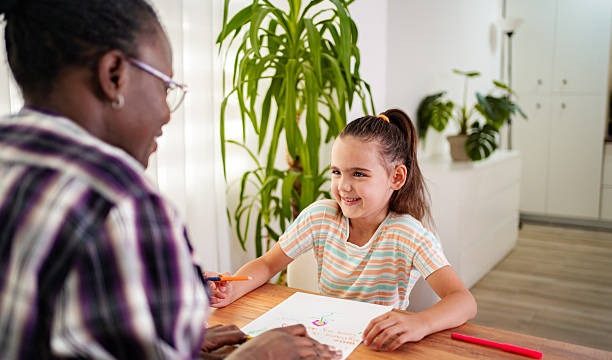
In the world of education, each student brings a unique tapestry of experiences, strengths, and challenges to the classroom.
For those with learning differences, traditional teaching methods may not always resonate.
However, with a gentle touch and a creative approach, educators can foster an inclusive environment where every student feels valued and empowered to thrive.
A small shift toward understanding
Understanding that learning differences exist is the first step toward creating a supportive atmosphere. It’s essential to recognize that each student has a distinct way of processing information. This acknowledgment can pave the way for empathy and patience, both crucial elements in teaching. When educators take the time to learn about different learning styles—be it visual, auditory, or kinesthetic—they can tailor their approaches to meet each student’s needs.
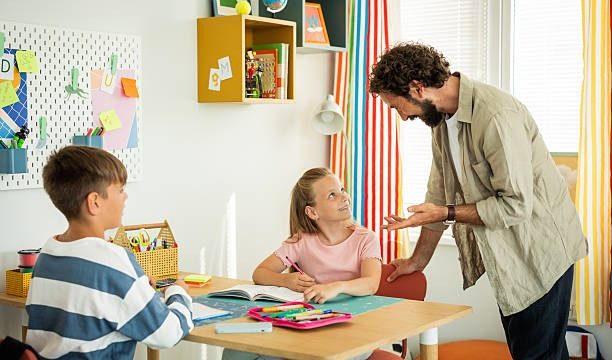
Creating a welcoming environment is foundational. A classroom that promotes acceptance and celebrates diversity encourages students to express themselves without fear of judgment. Simple gestures, like displaying diverse learning tools or incorporating varied teaching methods, can make a significant difference. A warm smile or a few encouraging words can go a long way in helping students feel safe and open to learning.
Engaging all senses
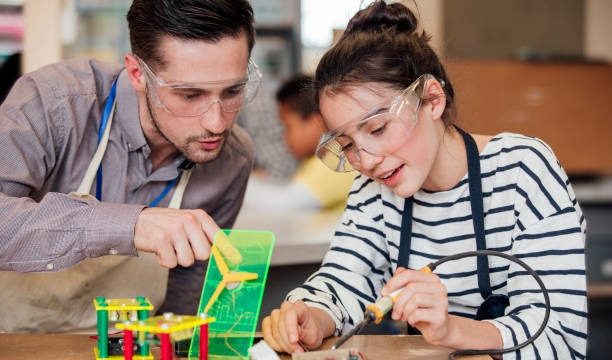
One effective technique for teaching students with learning differences is to engage multiple senses during lessons. When students can see, hear, and touch the material, it creates a richer learning experience. For instance, using visual aids like charts, diagrams, and videos can help clarify complex concepts. Meanwhile, hands-on activities allow students to explore and discover at their own pace, making learning feel more organic and less intimidating.
Incorporating technology can also enhance this multisensory approach. Interactive apps and educational software often provide immediate feedback, allowing students to engage with the material in a way that feels dynamic and relevant. The key is to find the right balance between traditional teaching methods and innovative tools, ensuring that each student can connect with the content in a way that feels natural and enjoyable.
Fostering collaboration
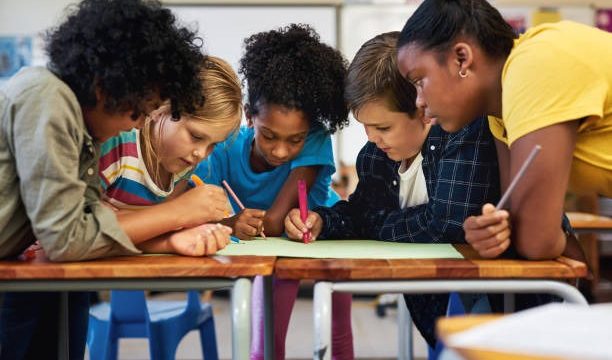
Collaborative learning experiences can be particularly beneficial for students with learning differences. Group projects and peer-to-peer interactions can provide opportunities for students to learn from one another and build valuable social skills. When students work together, they often discover new perspectives and approaches to problem-solving.
Creating small, diverse groups allows students to share their strengths and support one another. For instance, a student who excels in verbal communication might help another who struggles with expressing ideas. This kind of collaboration not only enhances learning but also fosters a sense of community and belonging within the classroom.
Encouraging self-advocacy
Another vital technique in teaching students with learning differences is encouraging self-advocacy. Helping students understand their unique learning styles and challenges can empower them to take charge of their education. When students learn to articulate their needs, they become more engaged and invested in their learning journey.
Educators can facilitate this process by providing opportunities for reflection. Simple activities, like journaling or discussions about personal learning strategies, can help students identify what works best for them. By fostering a sense of ownership over their learning, students can develop confidence and resilience, essential traits for navigating both academic and life challenges.
Implementing flexible pacing
Every student learns at their own pace, and recognizing this can significantly enhance the educational experience. Implementing flexible pacing allows students to progress through material at a speed that suits them. For some, this may mean taking extra time to grasp a concept, while others may be ready to move ahead more quickly.
Providing varied assignments or assessments can also accommodate different learning speeds. For instance, offering choices in how students demonstrate their understanding can keep them engaged and motivated. Whether through presentations, creative projects, or written reflections, allowing students to showcase their learning in diverse ways can lead to deeper comprehension and a greater sense of accomplishment.
Nurturing a growth mindset
Cultivating a growth mindset is a powerful tool for all students, particularly those with learning differences. This mindset fosters the belief that abilities can be developed through dedication and hard work. Educators can model this perspective by praising effort and resilience rather than merely focusing on outcomes.
When students understand that mistakes are part of the learning process, they are more likely to take risks and embrace challenges. This shift in perspective can be transformative, helping students to view setbacks as opportunities for growth rather than insurmountable obstacles. Creating a classroom culture that celebrates perseverance can inspire all students to strive for their personal best.
Celebrating progress, big and small
Recognizing and celebrating progress is essential in maintaining motivation and enthusiasm for learning. Small victories can be as significant as larger achievements, especially for students with learning differences. Acknowledging these moments not only boosts self-esteem but also reinforces the idea that every step forward is worth celebrating.
Incorporating regular check-ins or progress reflections can help students see their growth over time. Whether it’s through informal discussions or structured assessments, providing opportunities for students to reflect on their learning journey can foster a sense of pride and ownership in their accomplishments.
Creating a supportive network
Finally, building a supportive network around students with learning differences is vital. This network can include educators, parents, and peers who understand the unique challenges and strengths these students possess. Open communication among all parties can lead to a more cohesive approach to education, ensuring that each student receives the support they need to thrive.
Educators can invite parents into the conversation, providing resources and strategies that can be reinforced at home. This partnership can create a holistic approach to learning, where students feel supported both in and out of the classroom.
In conclusion, teaching students with learning differences is a journey that requires patience, creativity, and compassion. By embracing diverse teaching techniques and fostering an inclusive environment, educators can empower every student to reach their full potential. With understanding and support, we can create a brighter future for all learners, one where differences are celebrated, and every student feels they belong.