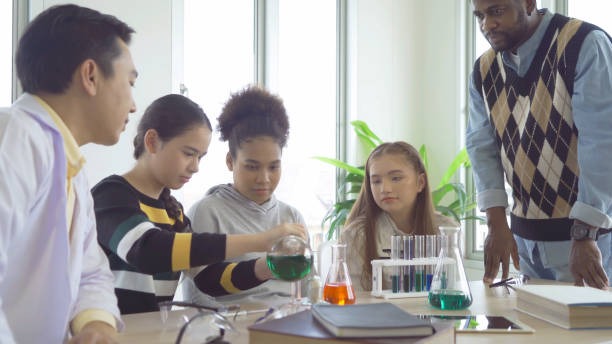
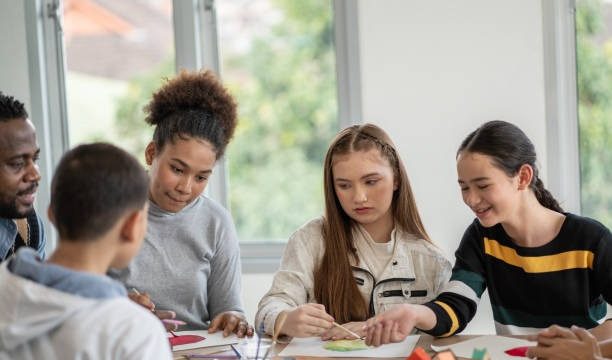
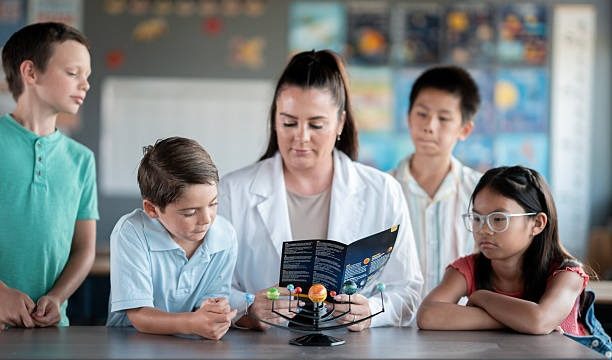
In the world of education, group projects are a staple, serving as a bridge between theoretical knowledge and practical application.
They encourage collaboration, foster communication, and can even spark creativity.
However, navigating the waters of a group project can sometimes feel overwhelming. It’s essential to recognize that a wealth of educational resources is available to support you and your team in this endeavor. Understanding how to effectively utilize these resources can transform a daunting task into a rewarding experience.
Finding the Right Resources
When embarking on a group project, the first step is to identify the resources that can enhance your understanding of the topic. Educational platforms, libraries, and online archives are treasure troves of information waiting to be explored. Universities often provide access to databases filled with scholarly articles, research papers, and other valuable materials. These resources not only deepen your knowledge but also lend credibility to your work.
Consider using academic journals or reputable websites that focus on your subject matter. Many of these sources offer insights that can help shape your project’s direction. As you sift through the information, take note of key themes or concepts that resonate with your group. This initial research phase can be an exciting journey of discovery, setting the stage for deeper collaboration later on.
Collaborative Tools to Enhance Communication
Once you’ve gathered your resources, it’s time to think about how your group will communicate. In today’s digital age, numerous collaborative tools can help streamline this process. Platforms like Google Docs, Trello, and Slack facilitate real-time discussions and document sharing. These tools make it easier for everyone to contribute their thoughts and ideas, ensuring that no voice goes unheard.
Establishing a clear communication channel can also prevent misunderstandings and keep the project on track. Regular check-ins, whether virtual or in-person, can provide an opportunity to discuss progress and address any challenges. This not only fosters accountability but also strengthens the group dynamic, allowing members to feel more connected to one another.
Diving Deeper into Research
As your project begins to take shape, diving deeper into your research can elevate the quality of your work. Educational resources like online courses or webinars can offer valuable insights and expert perspectives on your topic. Many universities and organizations provide free or low-cost learning opportunities that can broaden your understanding and inspire innovative ideas.
Engaging with these resources can also spark meaningful discussions within your group. Sharing knowledge gained from these experiences can lead to a richer, more nuanced project. Encourage each member to explore different aspects of the topic and bring their findings back to the group. This collaborative learning environment not only enhances the project but also fosters an atmosphere of mutual respect and curiosity.
Creative Expression in Group Projects
Educational resources extend beyond traditional research materials. They also encompass creative tools that can help bring your project to life. Whether you’re creating a presentation, a video, or a report, resources like Canva, Prezi, or even simple design software can enhance your visual storytelling. These platforms allow you to infuse creativity into your project, making it more engaging and memorable.
Encouraging each group member to contribute their unique talents can also enrich the final product. Perhaps someone has a knack for graphic design, while another excels at writing. By leveraging these individual strengths, your group can create a harmonious blend of ideas and styles, leading to a more polished and cohesive outcome.
Reflecting on the Process
As your project nears completion, take a moment to reflect on the journey. Consider how the educational resources you utilized shaped your understanding and influenced your collaboration. This reflection can be a powerful tool for growth, allowing you to appreciate the learning process and recognize areas for improvement in future projects.
Encourage your group to share their insights and experiences. What worked well? What could have been approached differently? This open dialogue not only fosters a sense of community but also cultivates a mindset of continuous learning. Embracing feedback and reflection can lead to more successful collaborations in the future.
Building Relationships Through Collaboration
One of the most rewarding aspects of group projects is the relationships that develop along the way. Working closely with others fosters a sense of camaraderie and can lead to lasting friendships. As you navigate the challenges and triumphs of your project, take the time to appreciate the diverse perspectives each member brings to the table.
Celebrating small victories together, whether it’s completing a challenging section of the project or receiving positive feedback, can strengthen these bonds. These shared experiences create a supportive environment where everyone feels valued and motivated. Remember, the connections forged during group projects can extend well beyond the classroom, enriching your personal and professional life.
A Final Thought
Incorporating educational resources into your group project can elevate the experience from a simple assignment to a meaningful journey of discovery and collaboration. By exploring various materials, utilizing collaborative tools, and embracing each member’s strengths, you can create a project that reflects not only your combined efforts but also the spirit of teamwork.
As you embark on your next group project, keep in mind that the process is just as important as the final product. Each challenge faced and lesson learned contributes to your growth, both academically and personally. Embrace the opportunity to learn from one another, and you may find that the support of educational resources leads to not just a successful project but also a deeper appreciation for the art of collaboration.