Creating a vibrant and engaging classroom environment is a journey that often begins with the power of discussion.
Classroom discussions can transform a simple lesson into a dynamic exchange of ideas, where students feel valued and encouraged to express their thoughts.
Yet, facilitating these discussions can sometimes feel daunting. Fortunately, there are effective tools available that can help educators nurture these conversations, allowing students to thrive in an atmosphere of shared learning and respect.
A gentle invitation to dialogue
To foster meaningful classroom discussions, it’s essential to create an atmosphere that invites students to share their thoughts freely. One effective tool in this endeavor is the use of open-ended questions. These questions encourage students to think critically and articulate their opinions. Instead of asking questions that can be answered with a simple “yes” or “no,” consider framing inquiries that require deeper reflection. For example, instead of asking, “Do you like this book?” you might ask, “What themes in this book resonate with you and why?” This shift not only promotes richer discussions but also empowers students to take ownership of their learning experience.
Another powerful tool is the creation of a discussion framework. This could be as simple as establishing ground rules for respectful dialogue or utilizing a structured format like the Socratic Seminar. Such frameworks provide a supportive structure that helps students feel secure in expressing their ideas and listening to others. When students know they are in a safe space where their voices matter, they are more likely to engage wholeheartedly in discussions.
The role of technology in enhancing dialogue
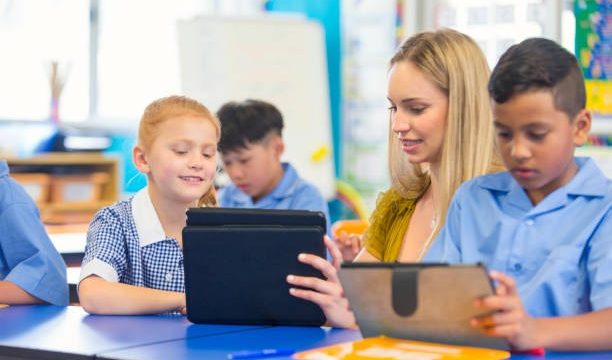
In today’s digital age, technology can play a significant role in supporting classroom discussions. Platforms like discussion boards or collaborative tools such as Google Docs allow students to share their thoughts in writing before engaging in verbal discussions. This can be especially beneficial for those who may feel shy or anxious about speaking up in front of their peers. By providing a written outlet, students can reflect on their ideas more thoroughly and contribute to the conversation in a way that feels comfortable for them.
Additionally, incorporating multimedia resources can enrich discussions. Videos, podcasts, and articles can serve as springboards for conversation, providing diverse perspectives and stimulating critical thinking. When students engage with various forms of content, they can draw connections and insights that might not emerge from traditional texts alone. This variety not only keeps discussions lively but also caters to different learning styles, making the classroom more inclusive.
Creating a culture of active listening
A crucial element of successful discussions is the practice of active listening. It’s not just about speaking; it’s equally important to hear and understand what others are saying. Incorporating tools that promote active listening can make a significant difference. For instance, consider using “talking sticks” or other similar objects that allow only the person holding the item to speak. This encourages students to listen attentively to their peers without the urge to interrupt, fostering a respectful exchange of ideas.
Encouraging students to paraphrase or summarize what others have said can further enhance their listening skills. By asking them to reflect on their peers’ contributions, you reinforce the importance of understanding different viewpoints and validating others’ experiences. This practice cultivates empathy and creates a more cohesive classroom community.
The importance of reflection
After a discussion, it can be beneficial to take a moment for reflection. This can be done through journal writing or group debriefs where students can share their thoughts on what they learned and how they felt during the discussion. Reflective practices not only help solidify the knowledge gained but also encourage students to think about their own participation and the dynamics of the conversation. By integrating reflection into the process, you empower students to become more mindful and intentional communicators.
Nurturing diverse voices
In any classroom, it’s essential to embrace the diverse backgrounds and perspectives of students. Tools that highlight this diversity can enrich discussions and provide a more comprehensive understanding of topics. Consider incorporating literature, case studies, or historical examples that reflect a range of cultures and experiences. This not only broadens students’ horizons but also encourages them to see the value in differing opinions.
Creating small group discussions can also help ensure that every voice is heard. In larger classes, quieter students may struggle to contribute. By breaking into smaller groups, you provide a space where all students can participate more comfortably. This approach fosters collaboration and allows students to practice articulating their ideas in a less intimidating environment.
A collaborative approach to learning
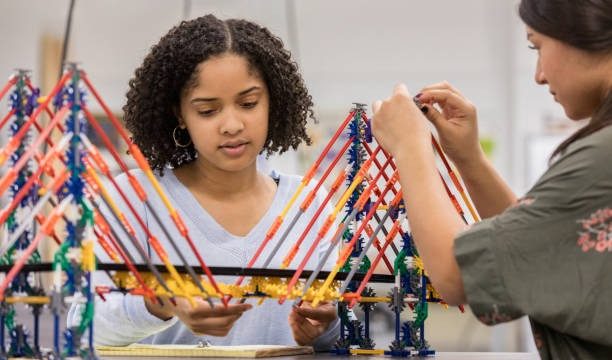
Ultimately, the goal of classroom discussions is to create a collaborative learning environment where students feel empowered to share their ideas and learn from one another. Tools that promote collaboration, such as peer feedback sessions or group projects, can further enhance this sense of community. When students work together, they not only learn from the content but also develop important social skills that will serve them well beyond the classroom.
Incorporating these tools into your classroom discussions can transform the way students engage with one another and the material. By fostering an atmosphere of open dialogue, active listening, and mutual respect, you’re not just teaching content; you’re cultivating critical thinkers and compassionate communicators. As we continue to navigate the evolving landscape of education, let’s embrace the power of discussion as a vital tool for growth and connection in the classroom. With the right support and resources, every classroom can become a vibrant space for learning, understanding, and collaboration.